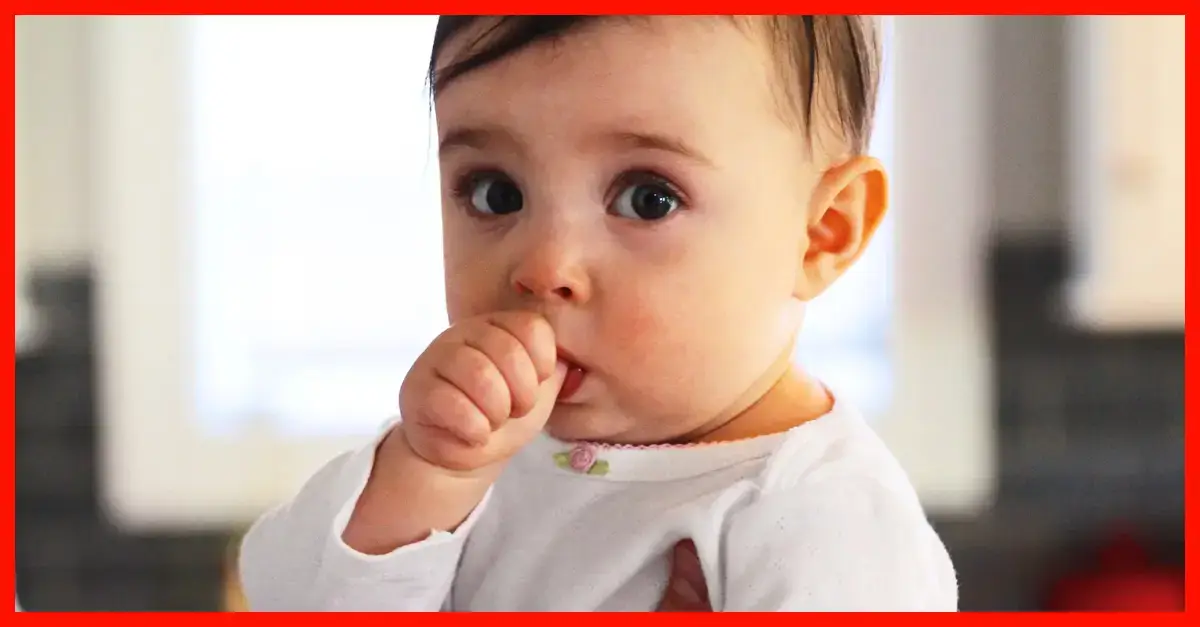
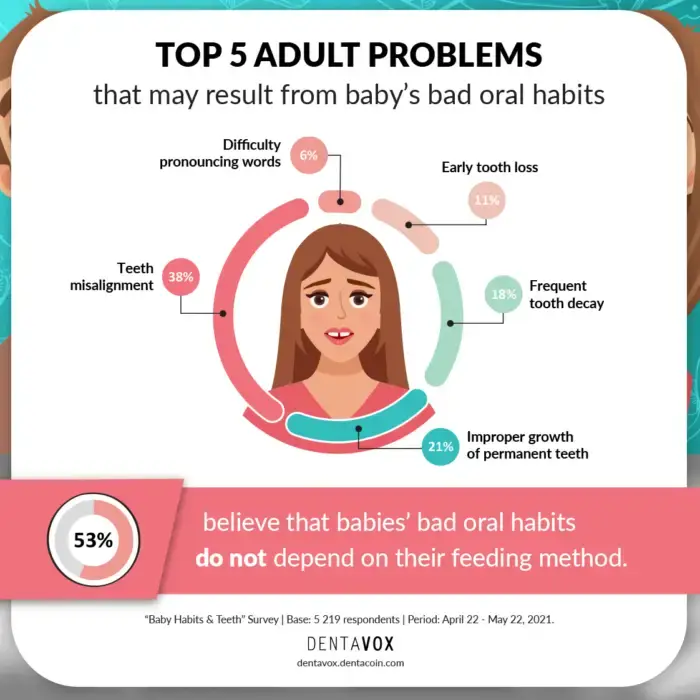
The mouth is the 1st “instrument” small children use to explore and connect with the surrounding world. In the so called “oral stage”, the baby’s oral needs are satisfied by breastfeeding and non nutritive sucking. These self soothing behaviours, albeit natural, can cause problems if they turn into a habit once a childs teeth start to come in. Lets see which are the most common dental problems people associate with adverse baby habits, which bad oral habits are perceived as the most surely leading to dental issues in adulthood and how many parents try to eliminate these habits.
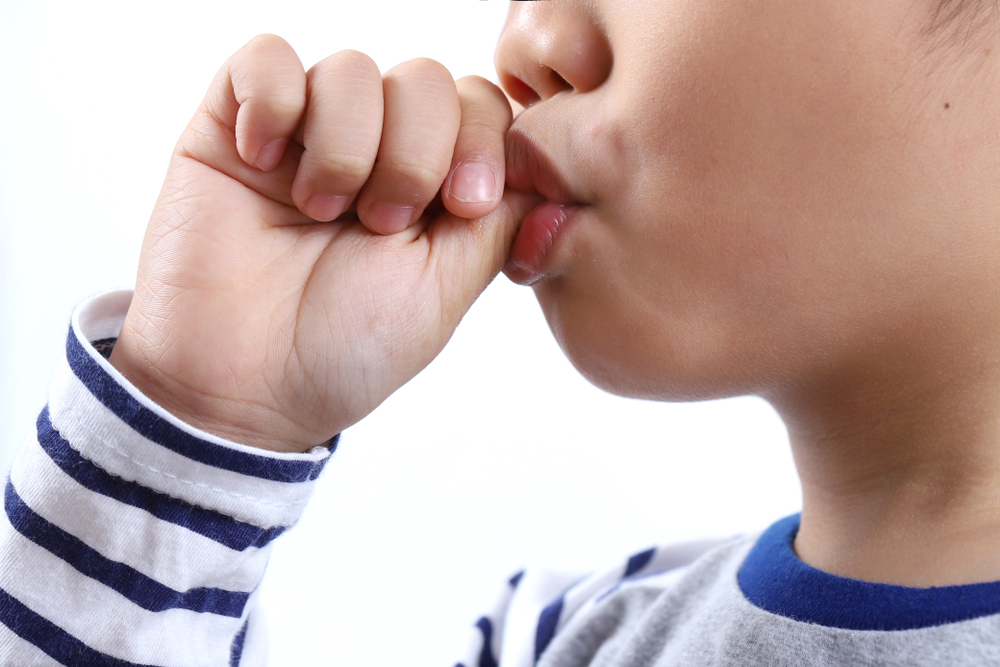
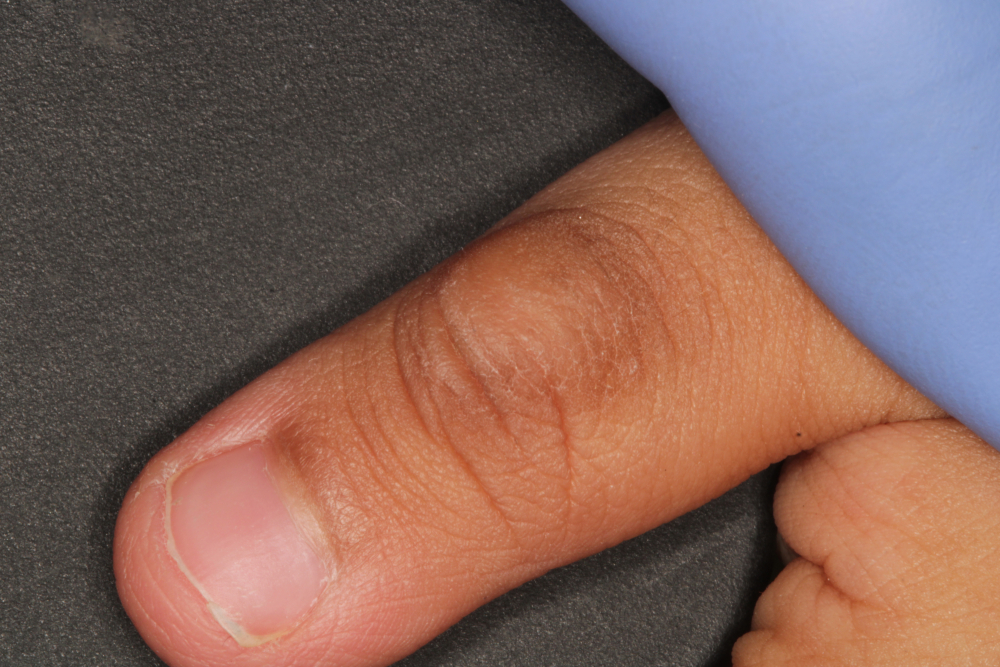
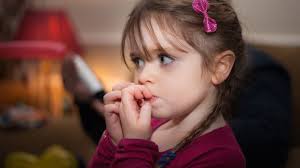
THUMB SUCKING
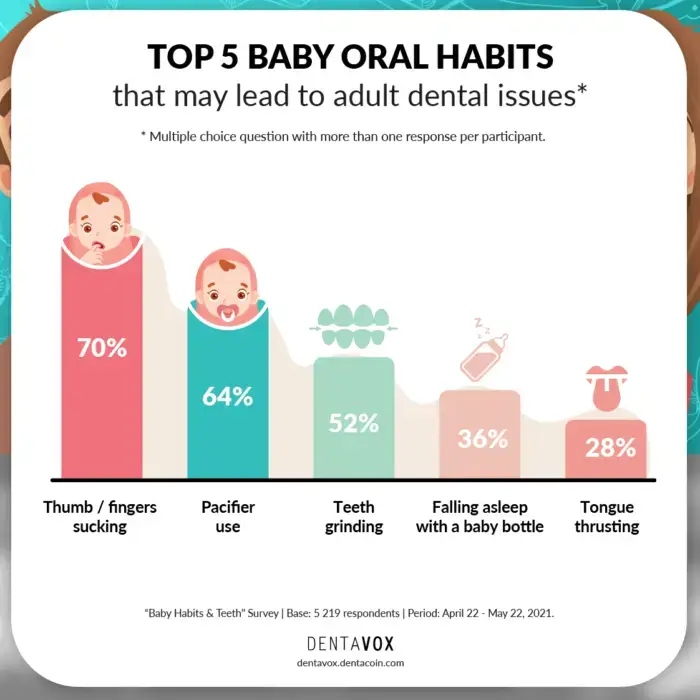
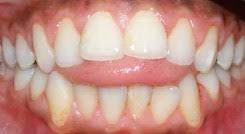
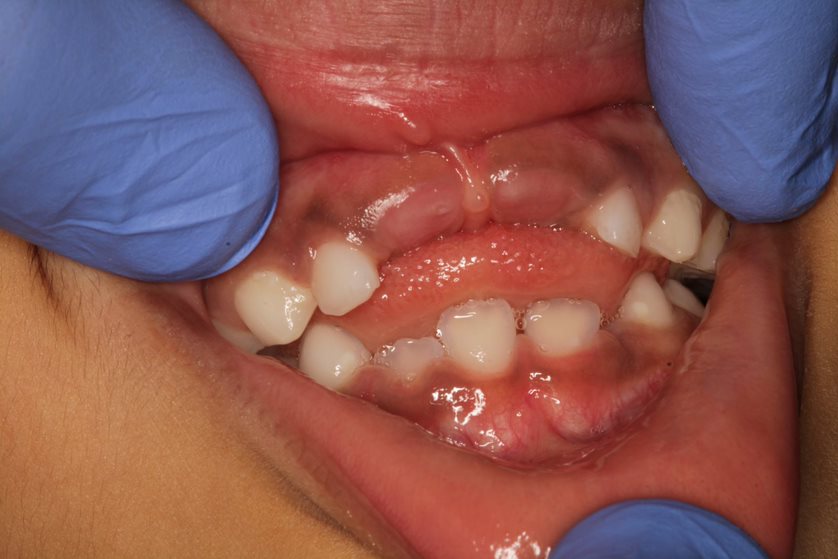
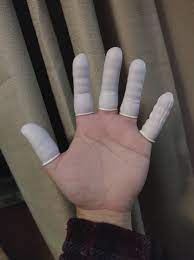
It is ranked as the top factor (70%) that can lead to teeth problems in adulthood. Besides that a child’s hands harbour germs that can easily find their way into the mouth and cause other health conditions. The constant presence of thumb between a child’s upper and lower jaw can affect the position of the bite and impose the need for orthodontic appliances such as braces in the future.
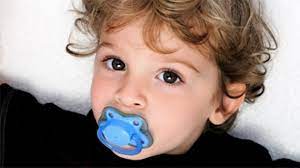
Use of a pacifiers – a habit whose elimination usually leads not only babies/toddlers , but also all family members to nervous breakdowns and a series of sleepless nights. Many parents, feeling helpless after a 20 – min long severe tantrum, use the soother as a secret weapon to mute their anxious kid. And in most cases it works. This makes it even harder for both sides to drop the bad habit. Pacifier weaning should happen between 2-4 age group. Dentists on the other hand believe that throwing out that paci before age 3 reduces the risk of dental malocclusions(misaligned teeth )
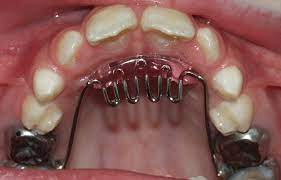
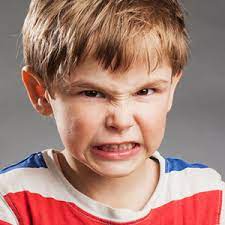
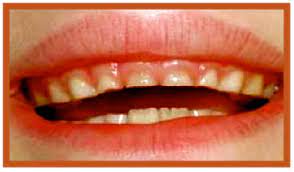
The 3rd most commonly seen is (52%) among all bad habits in small children is teeth grinding(bruxism). Babies may grind their teeth due to pain from teething. Bruxism is relatively common in young children , too, and typically fades away by years.. the good news is that most babies and children outgrow teeth grinding naturally, without any treatment. Older kids with bruxism, however, should be watched more closely to prevent any potential damages to their milk as well as adult teeth. Treatment : ⦁ Restorative phase ⦁ Psychotherapy ⦁ Relaxation training ⦁ Physical therapy ⦁ Drugs for tmj
⦁ Orthodontic
FALLING ASLEEP WITH A BABY BOTTLE
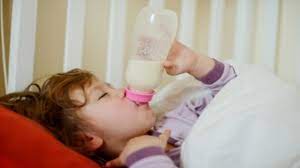
This habit is dozing off with the milk bottle (36%) . parents should avoid giving their baby the bottle until she/he falls asleep or putting him/her in the crib with the bottle. By doing so they unwittingly create a “bottle habit”. The bottle is becoming a sleep prop to help the baby sleep and she/he doesn’t know how to sleep without one. Parents can still keep the milk bottle in the bed time routine but move it a step earlier – before the good night story, song, brushing. So, having a lot of bottles throughout the night cannot only be damaging to the little baby teeth but also lead to sleep problems.
TONGUE THRUSTING
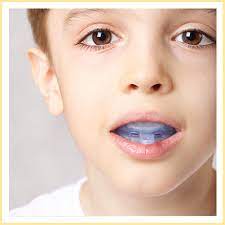
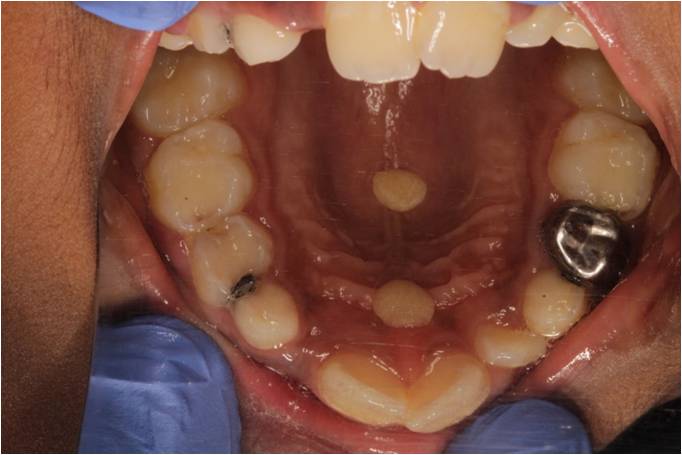
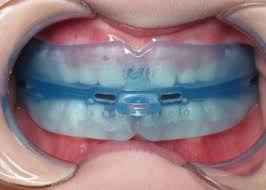
Tongur thrusting in babies(28%) – both breast fed and bottle fed, is actually considered normal by pediatricains. While growing up, the child’s swallowing and speaking patterns naturally evolve. Some types of bottle nipples and pacifiers, however as well as the prolonged use of a bottle can lead to an abnormal tongue thrusting that lasts past the infant stage and into early childhood. Treatment: ⦁ Myofunctinal excercises
⦁ Pre orthodontic myofunctional appliance
⦁ Mechanotherapy
LIP BITING
This may include just wetting the lips with tongue or pulling the lips into the mouth between the teeth. Causes can be misaligned teeth, emotional stress combination of some other oral habit. Treatment : correction can be done by correcting the malocclusion. First correct the primary habit if any. The next option is the appliance therapy.
CHEEK BITING
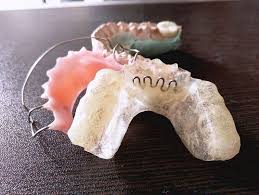
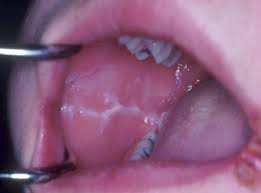
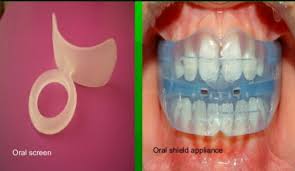
This is an abnormal habit of keeping or biting the cheek muscles in between the upper and lower back teeth. Can lead to soft tissue injury or malposition of teeth. Treatment : a removable crib or a vestibular screen
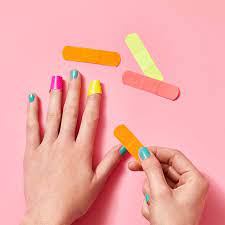
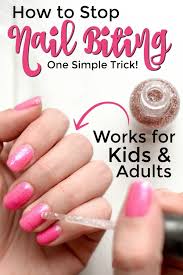
NAIL BITING
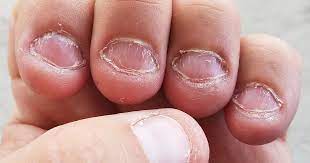
This is an abnormal habit of keeping or biting the cheek muscles in between the upper and lower back teeth. Can lead to soft tissue injury or malposition of teeth. Treatment : a removable crib or a vestibular screen
It is an etiological factor for sleep disordered breathing (SDB) during childhood. The habit of breathing through mouth may be perpetuated even after airway clearance. Both habit and obstruction may cause facial muscle imbalance and craniofacial changes. Treatment : ⦁ Guide the tongue to rest in its proper posture. ⦁ Guide child to keep mouth closed and try to breath through nose only. ⦁ Management of allergies, thumbsucking, infections. ⦁ Orthodontic treatment that involves fitting braces to guide jaw and teeth movement.
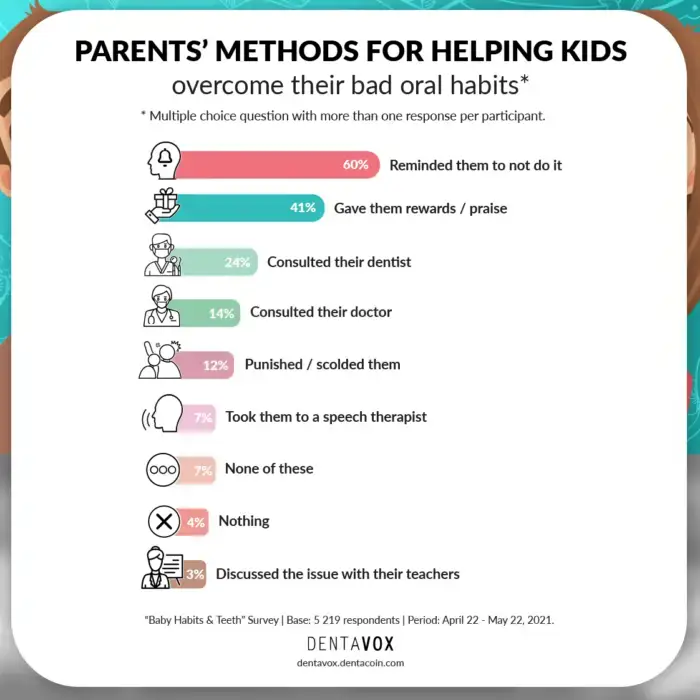
PARENTS METHODS FOR HELPING KIDS OVERCOME THEIR BAD ORAL HABITS
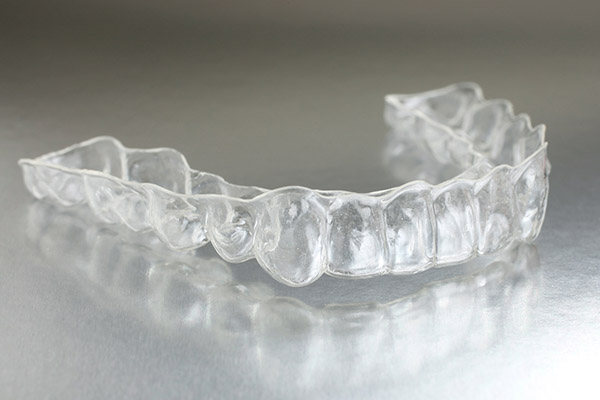
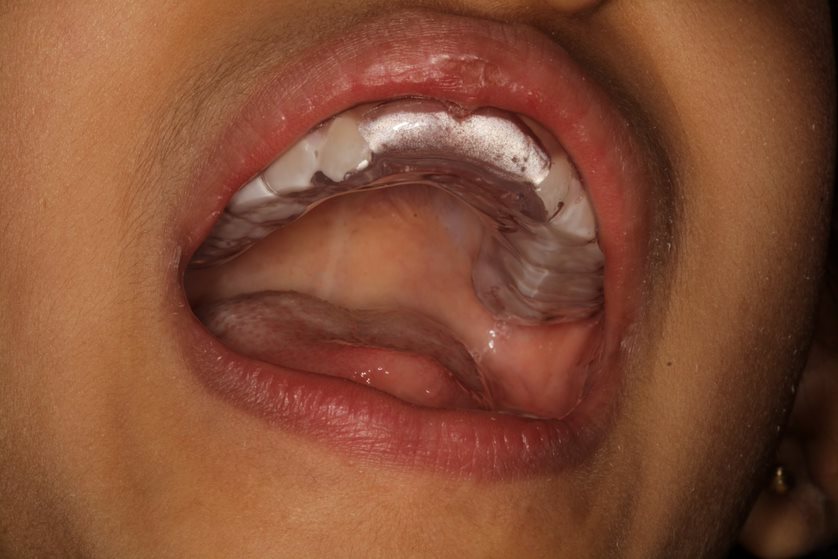
OVERALL, REPLACING THE ADVERSE ORAL HABITS BY GOOD ONE’S REQUIRE A HOLISTIC APPROACH. IT CONSISTS OF PATIENT PARENT COUNSELLING, BEHAVIOUR MODIFICATION TECHNIQUE, USE OF CASE SPECIFIC HABIT BREAKING APPLIANCE, PHYSICAL EXCERCISES AND OFCOURSE CONTINOUS SUPPORT!!!!!
Frequently Asked Questions (FAQs)
1. What are the most common bad oral habits in kids? The most common habits are thumb sucking, pacifier use, teeth grinding, bottle-feeding at bedtime, tongue thrusting, lip biting, cheek biting, nail biting, and mouth breathing.
2. Can thumb sucking cause dental problems in children? Yes. Prolonged thumb sucking can push teeth out of position, affect the jaw, and create an open bite. A pediatric dentist in Shivaji Nagar, Pune can guide you on treatment options.
3. When should a child stop using a pacifier? Ideally before age 2–3. Long-term pacifier use can affect the bite, cause crooked teeth, and create speech issues.
4. Is teeth grinding (bruxism) normal in small children? Yes. Many children grind their teeth while teething or during sleep. Most outgrow it naturally, but older kids may need observation and treatment.
5. Why is bottle-feeding during sleep harmful for teeth? Milk or juice stays around the teeth and causes early childhood cavities (bottle caries). Always remove the bottle before sleep and brush before bedtime.
6. What is tongue thrusting and can it affect teeth? Tongue thrusting is when the tongue pushes forward while swallowing or speaking. If it continues into childhood, it may cause open bite or speech problems. Myofunctional exercises and early dental care help correct it.
7. Can lip or cheek biting harm my child’s teeth? Yes. These habits can cause soft tissue injury, misaligned teeth, and irritation. A habit-breaking appliance may be required.
8. Why is nail biting harmful for oral health? Nail biting can damage teeth, cause chips, bring germs inside the mouth, and create jaw tension. It is also linked to stress or anxiety in kids.
9. Is mouth breathing a bad oral habit? Yes. Mouth breathing reduces saliva, causes dry mouth, affects facial growth, and increases cavity risk. A pediatric dentist can suggest orthodontic or habit-breaking solutions.
10. How can parents help children stop bad oral habits? Counselling, positive reinforcement, behaviour modification, myofunctional exercises, and habit-breaking appliances are effective. Regular dental visits at Vanilla Smiles Clinic in Shivaji Nagar, Pune ensure early correction.