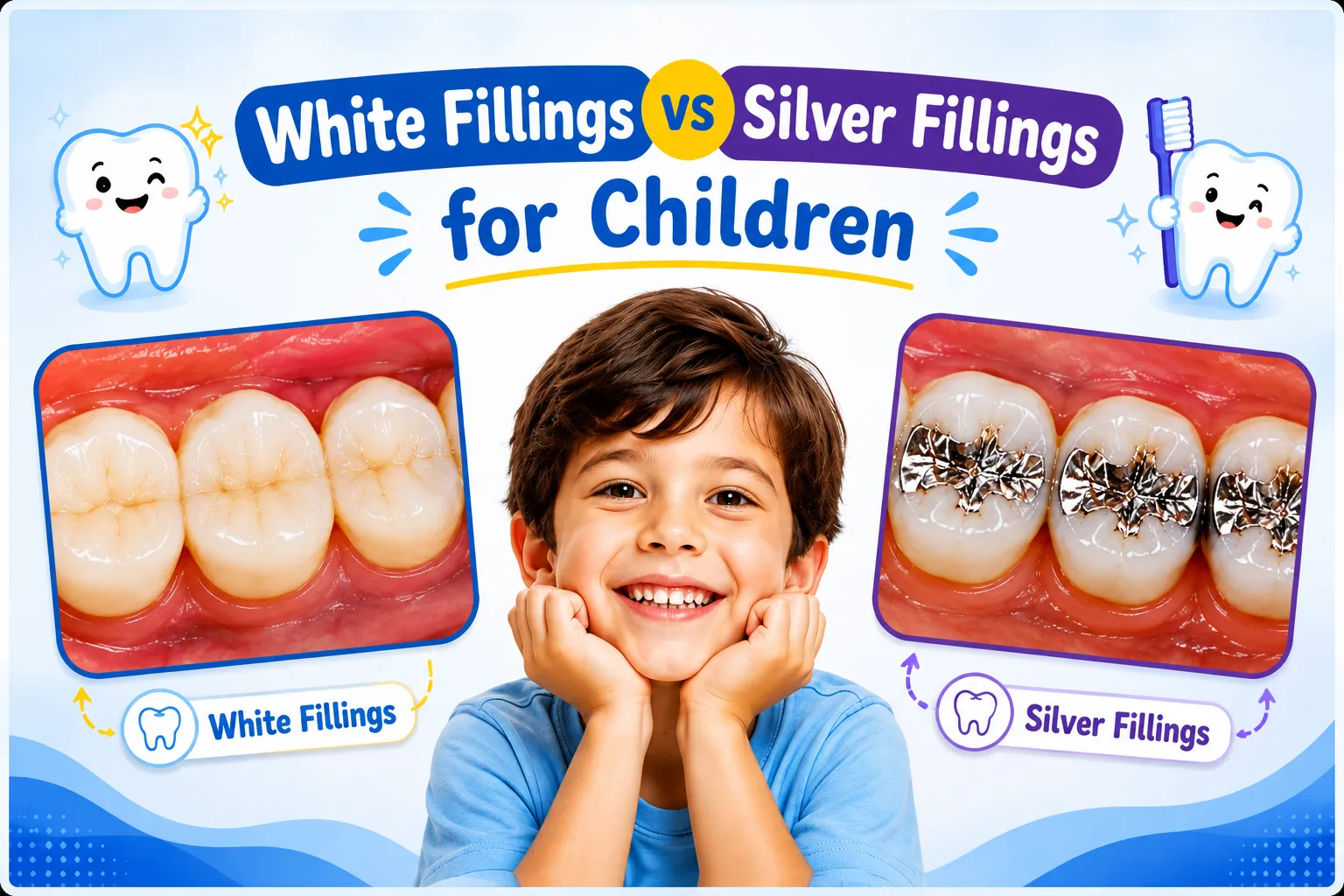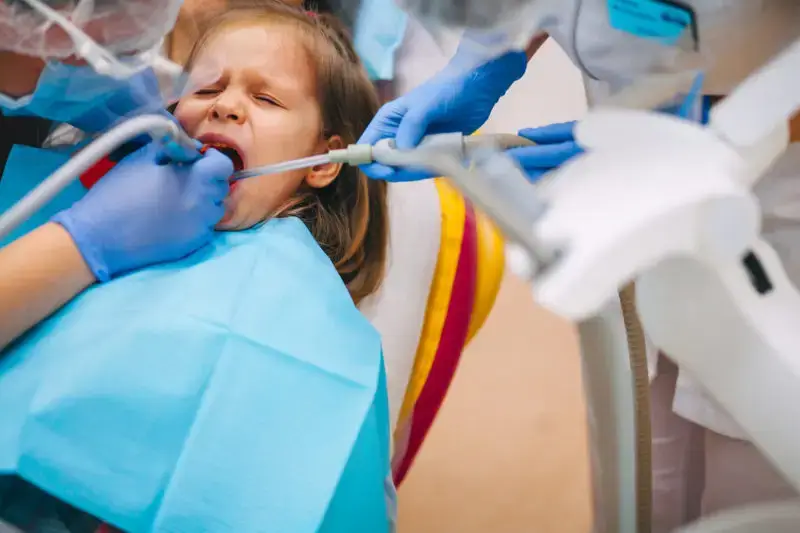

Cavities in kids are common but do not leave them untreated. An untreated cavity can lead to an infection in the tooth and destroy the tooth inside (pulp), requiring more extensive treatment or possibly removing the tooth.
In this particular case, we have treated a two-year-old kid having cavities in her teeth. While delivering the treatment’s highest quality, we also focused on making this entire process pain-free and joyful for her. We have used oral sedation for this dental treatment, one of the safest ways to sedate younger kids.
SMART technique was used , SDF, cavity fighting liquid followed by High strength restoration was done. Do watch this complete video to see the magic unravel. Every visit Painless, Every visit Tearless!
Frequently Asked Questions (FAQs)
1. Are cavities common in toddlers and young children?
Yes. Cavities are very common in kids due to frequent snacking, bottle-feeding habits, poor brushing, and early enamel weakness. But even though they’re common, they should never be ignored.
2. What happens if a child’s cavity is left untreated?
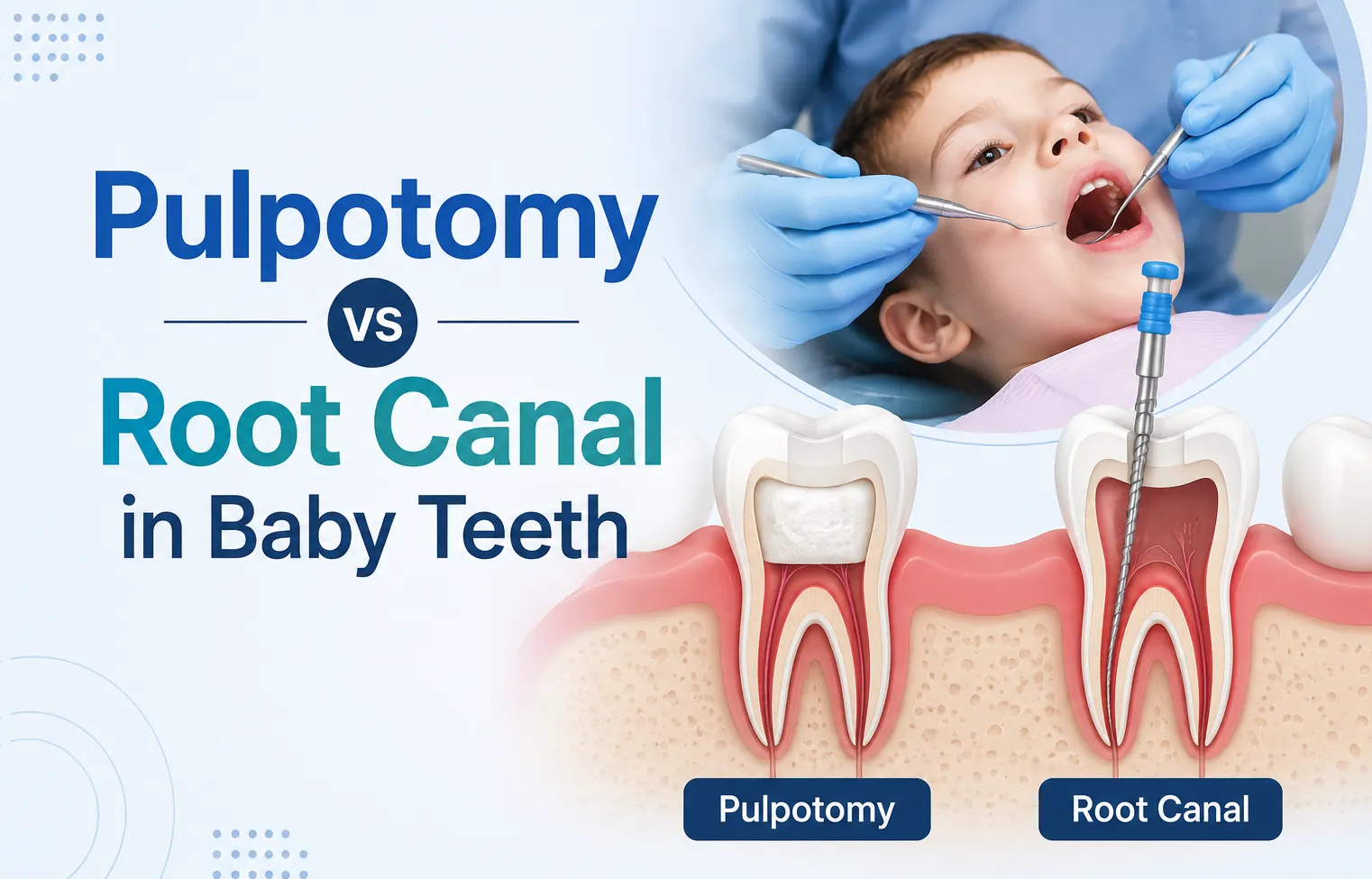
An untreated cavity can spread deeper into the tooth, infect the pulp, cause severe pain, require pulpectomy/root canal, or even lead to early tooth loss—which affects chewing, speech, and permanent tooth alignment.
3. Can a two-year-old really get dental treatment safely?
Absolutely. Pediatric dentists are trained to treat very young children safely, using specialized techniques, child-friendly communication, and appropriate sedation methods.
4. What is oral sedation and why is it used for young kids?
Oral sedation involves giving a carefully measured medication that helps the child relax, reduces fear, and allows painless treatment. It is one of the safest and most effective sedation options for toddlers.
5. Is oral sedation safe for a child as young as two years old?
Yes, when administered by a trained pediatric dental team. The child’s vitals are monitored, dosage is customized, and safety protocols are strictly followed throughout the procedure.
6. What is the SMART technique?
SMART stands for Silver Modified Atraumatic Restorative Technique. It uses SDF (Silver Diamine Fluoride) to stop cavity progression followed by a high-strength restoration, allowing treatment without drilling or injections.
7. What does SDF do for cavities?
Silver Diamine Fluoride is a medically proven cavity-arresting liquid that kills harmful bacteria, stops decay from worsening, strengthens the tooth structure, and reduces the need for invasive procedures.
8. Is the SMART technique painless for children?
Yes. SMART is minimally invasive and does not require drills or injections. It’s ideal for toddlers, anxious children, and kids who cannot tolerate traditional dental procedures.
9. Why is early treatment of cavities in toddlers important?
Early treatment prevents infections, dental pain, difficulty eating, and future orthodontic problems. It also protects the child from traumatic dental experiences that may lead to lifelong fear.
10. How does Vanilla Smiles ensure a tear-free, stress-free dental experience for children?
The clinic combines child-friendly behavior guidance, safe sedation methods, gentle techniques like SMART, and compassionate care. Every step focuses on ensuring the visit is painless, positive, and joyful.
Find clinic here: Get direction
Call Now: +919860633281
Address: Soni Capital, 2nd Floor, Near Shreyas Hotel, 1237, Apte Road, Shivaji Nagar, Pune, Maharashtra 411004 India