
By Dr. Abhishek Soni, Pediatric Dentist & Laser Specialist, Vanilla Smiles Dental Clinic, Pune
Precision Dentistry Begins with the Right Laser
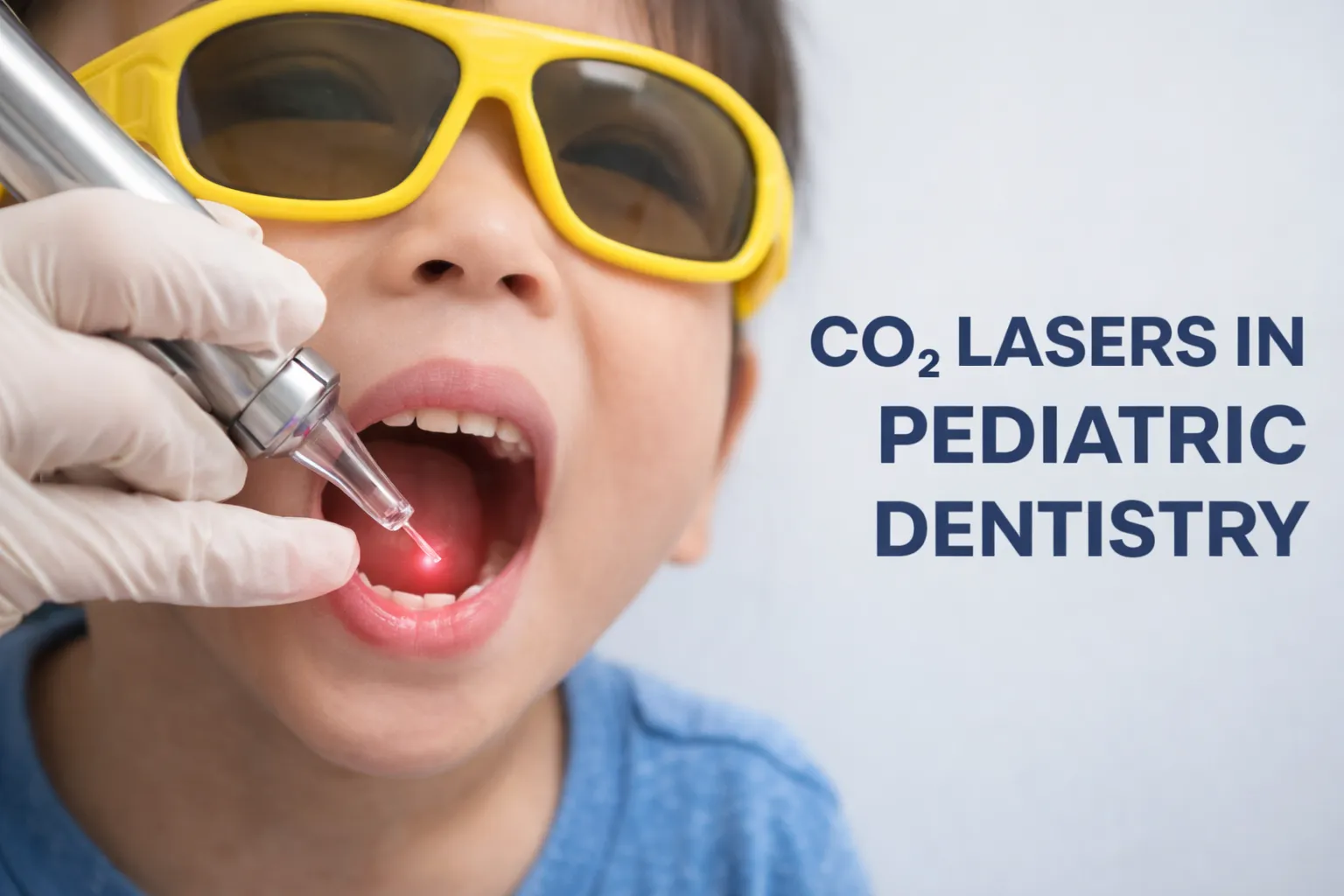
In pediatric dentistry—especially infant procedures such as tongue-tie release—the requirement is extreme precision, minimal trauma, a blood-free field, and rapid healing. While Diode, Erbium (Waterlase), and CO₂ lasers are all used in dentistry, their physics and tissue interaction profiles are fundamentally different. These differences directly impact safety, accuracy, comfort, operative time, and functional outcomes in neonates and infants. At Vanilla Smiles Dental Clinic, after extensive use of all three technologies, the CO₂ laser remains the gold standard for delicate soft-tissue pediatric surgeries.
Understanding the Science Behind Each Laser
| Laser Type | Wavelength (nm) | Absorption | Tissue Type | Penetration Depth |
| CO₂ Laser | 10,600 | Water | Soft Tissue | ~0.1 mm |
| Diode Laser | 810–980 | Hemoglobin & Melanin | Soft Tissue | 2–3 mm |
| Erbium Laser | 2780–2940 | Water & Hydroxyapatite | Hard + Soft Tissue | 0.2–0.5 mm |
CO₂ has the highest water absorption of any dental laser, causing instant superficial ablation with extremely limited thermal diffusion. Erbium lasers also interact with water, but their ablation is photomechanical, not purely photothermal. This results in more micro-bleeding and slower soft tissue cutting. CO₂’s immediate coagulation and shallow penetration make it uniquely suited for infants.
CO₂ Laser — The True Gold Standard in Soft Tissue Dentistry
Unmatched Precision & Safety in Infants
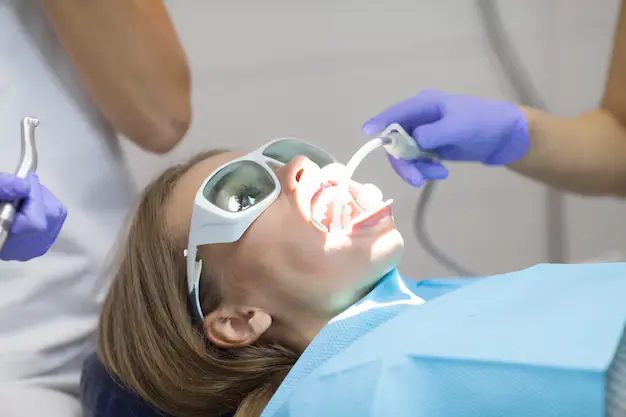
Because CO₂ energy is absorbed within ~100 microns, it produces sharply defined incisions ideal for the tiny anatomical structures of newborns, where a 0.5 mm error can impact long-term tongue mobility and feeding dynamics. Erbium interacts more deeply (~0.2–0.5 mm) and requires water spray, making visualization harder in neonates.
Superior Hemostasis — Critical for Infant Frenectomy
CO₂ provides instantaneous coagulation.
- Almost zero bleeding
- Clear visibility
- No suction required
- Faster operative time
Erbium lasers produce less reliable hemostasis, often causing micro-bleeding that prolongs procedures—particularly problematic in infants whose surgical field is tiny and prone to blood pooling.
Minimal Thermal Damage & Clean Histology
Histological studies consistently show:
- CO₂ wounds → clean margins, minimal carbonization, rapid fibroblast migration, predictable healing.
- Diode wounds → deeper thermal necrosis and delayed healing.
- Erbium wounds → clean but with reduced coagulation, making early healing slightly more vascular and less controlled.
Some Erbium studies show rapid epithelialization, but CO₂ remains superior for clean, controlled tissue vaporization with negligible collateral injury—especially relevant for tongue function.
Sterilization & Reduced Risk of Infection
CO₂ laser energy instantly sterilizes the surface, decreasing bacterial load. Infants cannot maintain oral hygiene postoperatively, making this a major advantage compared with Erbium, which depends on water spray and can leave the field moist.
No Sutures, No Injections, Minimal Post-Op Pain
CO₂ seals lymphatics and capillaries as it cuts, reducing swelling, avoiding sutures, and minimizing discomfort. Most infant tongue-tie cases are completed:
- Without anesthesia
- Blood-free
- Tear-free
- Without postoperative medication
Erbium lasers can also be comfortable, but their lack of strong coagulation sometimes requires pressure, suction, or more operative steps.
Immediate Functional Recovery
Infants treated with CO₂ typically:
- Feed immediately after the procedure
- Show minimal crying
- Require no analgesics
The same consistency is not universally reported with Erbium because small amounts of bleeding and longer operating times may stress infants.
NEW SCIENTIFIC DATA: CO₂ vs Erbium for Infant Tongue-Tie Release
✔ Depth of Penetration
- CO₂: ~0.05–0.1 mm → safest for infant frenulum
- Erbium: ~0.2–0.5 mm → deeper soft-tissue interaction
In neonates, CO₂’s ultra-shallow absorption reduces risk of deeper muscle injury or over-release.
✔ Hemostasis Quality
Studies evaluating laser tongue-tie release consistently show:
- CO₂: virtually bloodless procedures
- Erbium: small but noticeable micro-bleeding requiring suction or gauze
For infants with tiny oral cavities, blood control is a major determinant of procedural safety and speed.
✔ Histological Healing
- CO₂: minimal thermal effect → rapid epithelial coverage with clean collagen alignment
- Erbium: minimal carbonization but more open wound surface due to lack of coagulation, leading to slightly increased early surface moisture
Both heal well, but CO₂ offers more controlled, predictable healing for frenectomy.
✔ Feeding Outcomes
Clinical reports using CO₂ for infant tongue-tie release show:
- Immediate improvement in latch
- Improved maternal comfort
- Rapid feeding normalization
Erbium studies also show improvement, but high-quality infant-specific RCTs comparing CO₂ vs Erbium directly are still limited. Existing evidence favors CO₂ for smoother perioperative workflow.
✔ Operative Time
- CO₂: fastest due to bloodless field and rapid ablation
- Erbium: slower because soft tissue removal is less efficient and bleeding occasionally interrupts visibility
✔ Real-world Clinical Consensus
Across pediatric laser dentistry, the prevailing clinical guidance is:
- CO₂ = superior soft-tissue laser
- Erbium = superior hard-tissue laser
- For infant frenectomy, CO₂ is strongly preferred
because it is: - Bloodless
- Faster
- More precise
- Offers a stable, clear surgical field
- Provides gentler postoperative recovery
Diode Laser — Useful, But Not Ideal for Infants
Deeper penetration (2–3 mm), carbonization, charring, and more thermal damage make the diode laser unsuitable for delicate infant frenectomies. It remains appropriate only for minor gingival procedures.
Erbium (Waterless) Laser — Excellent for Teeth, Not Perfect for Infant Soft Tissue
Erbium lasers work beautifully for painless cavity preparation, enamel work, and minimally invasive dentistry—especially in older children. But for newborn soft tissue:
- Cutting is slower
- Visibility is reduced due to water spray
- Bleeding control is inferior
- Workflow is more complex
This is why pediatric laser surgeons worldwide prefer CO₂ for frenectomy.
Why CO₂ Outshines All Others for Infant Tongue-Tie Release
CO₂ delivers:
- Best precision
- Best hemostasis
- Least thermal injury
- Fastest procedure
- Best infant tolerance
- Most predictable healing
- Best immediate functional improvement
This combination is unmatched by Erbium or Diode.
Why Vanilla Smiles Uses CO₂ for Infants
At Vanilla Smiles, we prioritize tissue biology, infant comfort, and predictable recovery. Our use of CO₂ technology has resulted in:
- Bloodless surgeries
- No sutures
- Immediate feeding post-procedure
- Minimal postoperative pain
- Long-term functional improvement
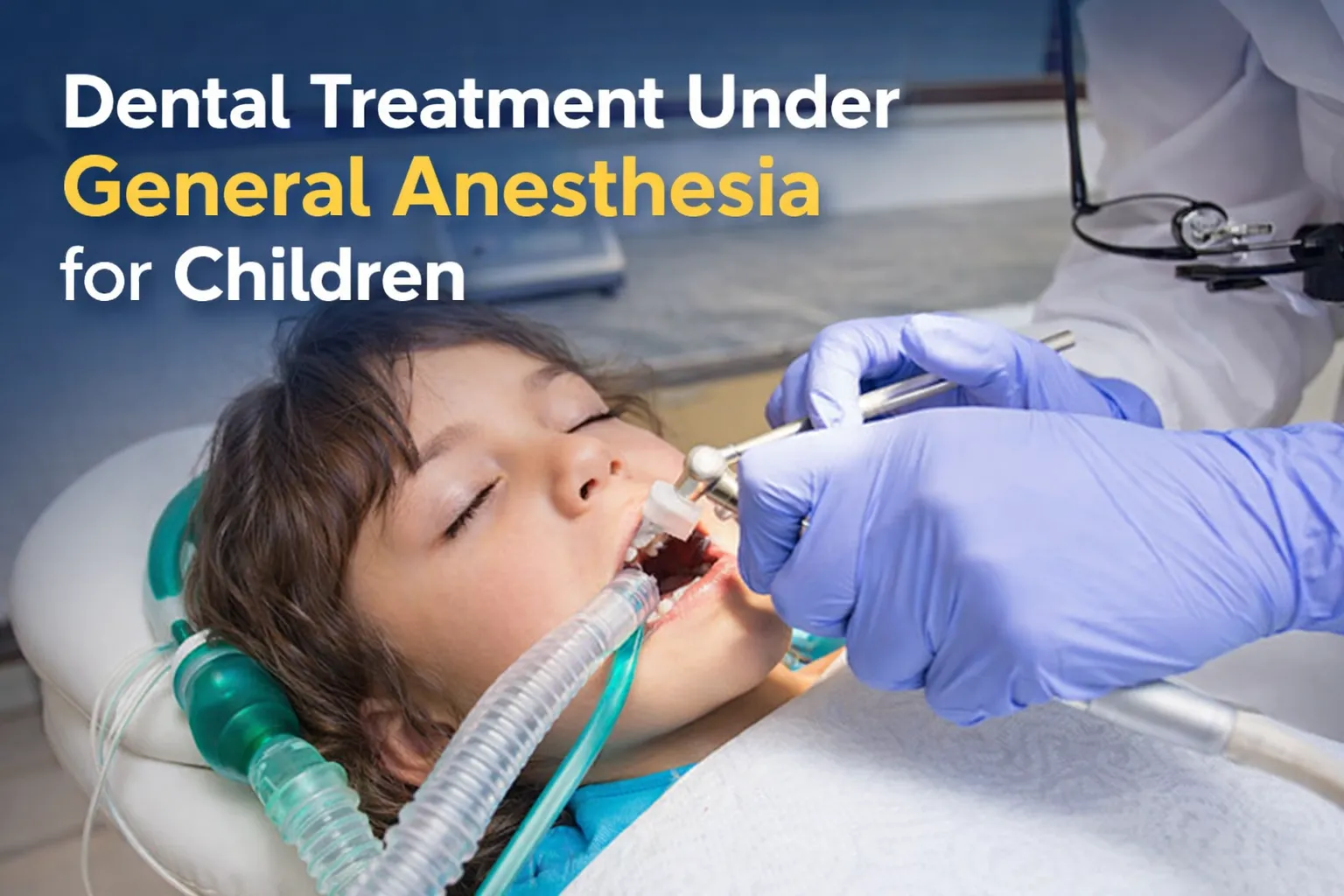
With 100+ GA cases and countless clinic procedures, CO₂ remains our trusted system.
Conclusion
When treating the most delicate patients—newborns and infants—the CO₂ laser stands far above diode and erbium systems. Its unique interaction with soft tissue makes it the safest, most efficient, and most biologically superior tool for tongue-tie release and pediatric soft tissue surgery.
Find the clinic here: Get direction
Call Now: +917028029383 /+919860633281
Address: Soni Capital, 2nd Floor, Near Shreyas Hotel, 1237, Apte Road, Shivaji Nagar, Pune, Maharashtra 411004, India