
Choosing the right dental filling for your child can be confusing, especially when your dentist recommends either white fillings or silver fillings. Both are effective for treating cavities, but they differ in appearance, durability, cost, and the amount of healthy tooth structure they preserve. As a parent, understanding these differences can help you make the best decision for your child’s oral health.
At Vanilla Smiles Dental Clinic in Shivaji Nagar, Pune, Dr. Abhishek Soni (Pediatric Dentist & Kid’s Dental Specialist) and Dr. Namrata A. Soni (Implant & Restorative Dentist) provide child-friendly restorative dental treatments using modern techniques and high-quality materials. Their goal is to restore damaged teeth while ensuring comfort, safety, and long-term oral health.
Why Are Dental Fillings Important for Children?
Baby teeth play a vital role in your child’s growth and development. They help children chew food properly, speak clearly, maintain facial structure, and guide permanent teeth into their correct positions. When cavities develop, they should never be ignored. Untreated decay can lead to severe pain, infection, difficulty eating, and even premature loss of baby teeth.
Dental fillings are used to remove the decayed portion of the tooth and restore its natural shape and function. Early treatment not only relieves discomfort but also prevents the cavity from spreading deeper into the tooth, reducing the need for more complex procedures such as pulp therapy or tooth extraction.
What Are White Fillings?
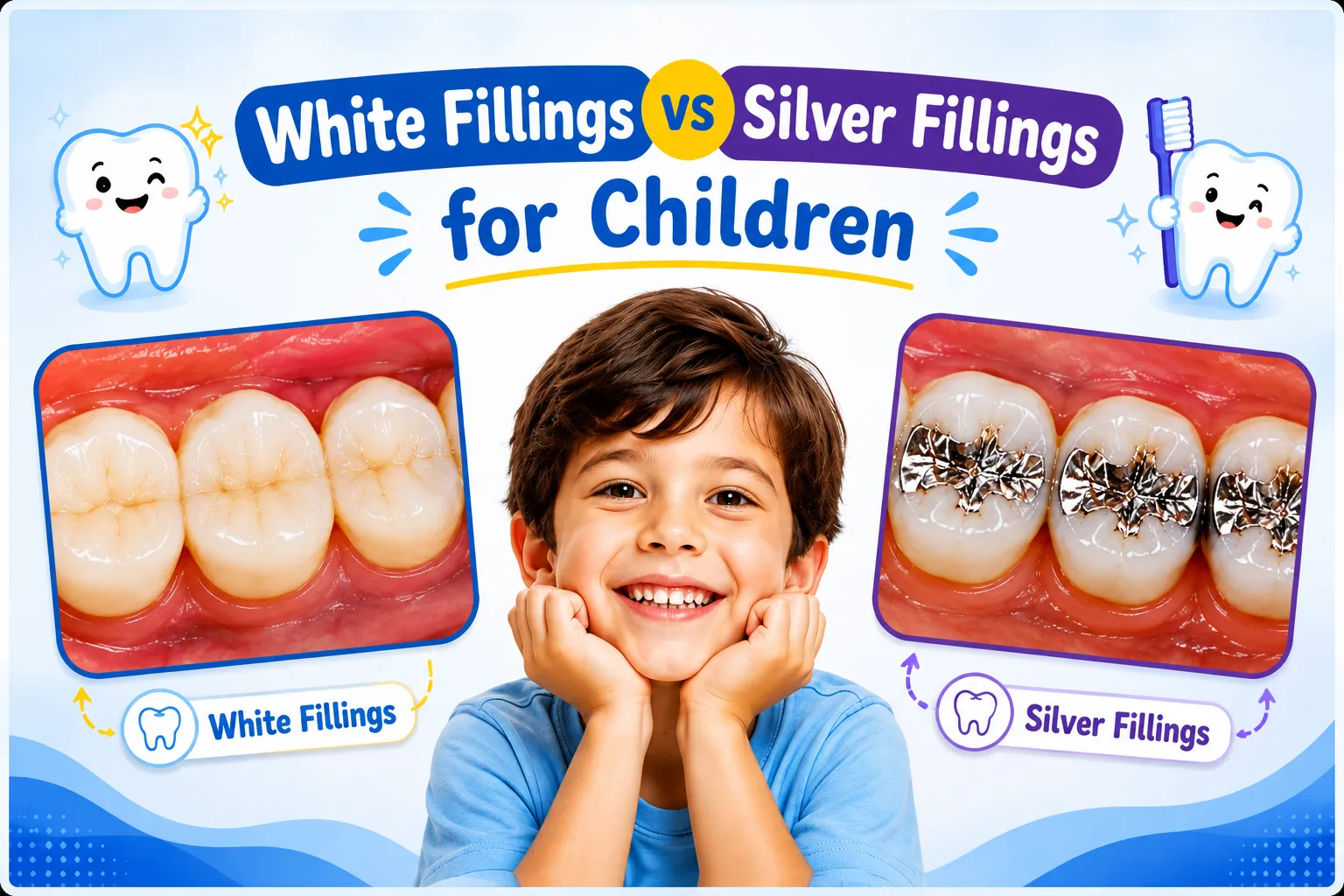
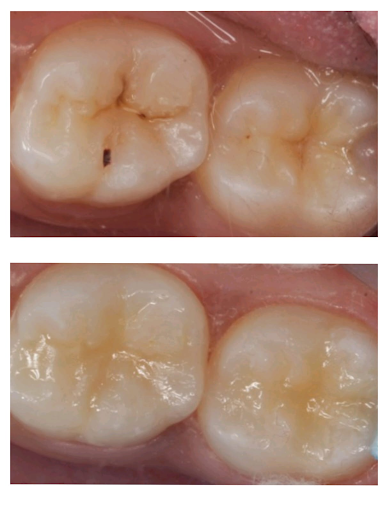
White fillings, also known as composite resin fillings, are made from a tooth-colored material that blends naturally with the surrounding teeth. These fillings have become increasingly popular in pediatric dentistry because they provide excellent aesthetics while preserving more of the natural tooth structure.
Composite fillings are bonded directly to the tooth using advanced adhesive technology. This strong bond supports the remaining tooth structure and reduces the risk of fractures.
Benefits of White Fillings
Natural Appearance
The biggest advantage of white fillings is that they closely match the natural color of your child’s teeth. They are almost invisible, making them ideal for both front and back teeth.
Preserves Healthy Tooth Structure
Unlike silver fillings, white fillings require less drilling. More of the healthy tooth is preserved during treatment, making the restoration more conservative.
Strong Bonding
Composite resin chemically bonds to the tooth surface, providing additional support and reducing the chances of cracks or breakage.
Mercury-Free
Many parents prefer white fillings because they do not contain mercury, giving them added peace of mind.
Comfortable and Durable
Modern composite materials are highly durable and can withstand everyday chewing forces when properly placed and maintained.
What Are Silver Fillings?
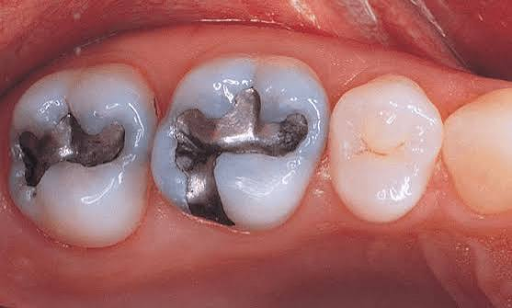
Silver fillings, commonly known as dental amalgam fillings, have been used successfully in dentistry for more than a century. They are made from a combination of metals, including silver, tin, copper, and mercury, creating a strong and durable restorative material.
Although they are not as aesthetically pleasing as white fillings, silver fillings remain a reliable option in certain clinical situations.
Benefits of Silver Fillings
Excellent Durability
Silver fillings are extremely strong and can withstand heavy chewing forces, making them suitable for large cavities in back teeth.
Long Lifespan
With proper oral hygiene and regular dental check-ups, silver fillings can last for many years.
Cost-Effective
Amalgam fillings are generally more affordable than composite fillings, making them an economical treatment option.
Less Sensitive to Moisture
Silver fillings can sometimes be placed more easily when it is difficult to keep the tooth completely dry, which may be helpful in treating very young children.
White Fillings vs Silver Fillings
Understanding the differences between the two materials can help parents choose the most appropriate treatment.
Appearance
White fillings blend naturally with the teeth, while silver fillings are clearly visible whenever your child smiles or laughs.
Tooth Preservation
White fillings require minimal removal of healthy tooth structure because they bond directly to the tooth. Silver fillings usually require more drilling to create mechanical retention.
Strength
Both materials are durable, but silver fillings are generally stronger for very large cavities exposed to heavy chewing pressure.
Aesthetics
White fillings are the preferred choice for children because they provide a natural-looking smile and boost confidence.
Safety
White fillings are mercury-free. Silver fillings have been considered safe by major dental organizations, but many parents today prefer composite restorations because of their aesthetic appearance and mercury-free composition.
Which Filling Is Better for Children?
For most children, white fillings are now the preferred choice. They offer several advantages beyond appearance. Because they bond directly to the tooth, they help preserve healthy tooth structure and strengthen the remaining tooth.
White fillings are especially recommended for:
- Front teeth
- Small to medium-sized cavities
- Children concerned about appearance
- Parents looking for mercury-free restorations
However, silver fillings may still be recommended for large cavities in back teeth where exceptional strength is required or when treatment conditions make composite placement difficult.
The best choice always depends on your child’s individual dental condition, cavity size, age, and oral habits.
Are White Fillings Safe for Kids?
Yes. White composite fillings are considered completely safe for children and are widely used in modern pediatric dentistry. They are biocompatible, durable, and designed to restore teeth while maintaining a natural appearance.
When placed correctly and cared for properly, white fillings can last for several years without any problems.
How Long Do Fillings Last?
The lifespan of a filling depends on several factors, including your child’s oral hygiene, eating habits, cavity size, and regular dental check-ups.
On average:
- White fillings can last between 5 to 10 years with proper care.
- Silver fillings often last 10 to 15 years or longer.
Regular dental visits help monitor fillings and detect any signs of wear before complications develop.
How to Care for Your Child’s Fillings
Good oral hygiene is essential for maintaining both natural teeth and fillings.
Encourage your child to brush twice daily using fluoride toothpaste and floss regularly if recommended by the dentist. Limit sugary snacks, chocolates, sticky candies, and soft drinks that increase the risk of new cavities.
Healthy eating habits, including fruits, vegetables, dairy products, and plenty of water, also help strengthen teeth.
Routine dental check-ups every six months allow your dentist to examine existing fillings and identify any new dental problems early.
Signs Your Child May Need a Filling
Parents should watch for symptoms that may indicate tooth decay, including:
- Toothache or sensitivity
- Pain while eating sweets
- Visible holes in the tooth
- Brown, black, or white spots
- Food getting trapped in teeth
- Swelling around a tooth
- Bad breath caused by decay
Early diagnosis allows for simpler and more comfortable treatment.
Why Choose Vanilla Smiles Dental Clinic in Shivaji Nagar, Pune?
At Vanilla Smiles Dental Clinic, children receive compassionate and personalized dental care in a warm, child-friendly environment. Every treatment is designed to make young patients feel comfortable while delivering long-lasting results.
Our Advantages
Experienced Pediatric Dentist
Dr. Abhishek Soni specializes in treating infants, children, and teenagers with gentle and stress-free dental care.
Advanced Restorative Dentistry
Dr. Namrata A. Soni provides high-quality restorative treatments using modern materials and techniques.
Child-Friendly Environment
Our clinic is designed to reduce dental anxiety and make every visit a positive experience.
Modern Equipment
We use advanced diagnostic tools and high-quality filling materials to ensure precise and comfortable treatment.
Personalized Treatment Plans
Every child receives an individualized treatment plan based on their dental needs and overall oral health.
Conclusion
Both white fillings and silver fillings effectively restore cavities, but modern pediatric dentistry increasingly favors white composite fillings because of their natural appearance, strong bonding, and ability to preserve healthy tooth structure. Silver fillings remain a durable option for certain large cavities, but for most children, white fillings offer an excellent balance of aesthetics, strength, and long-term oral health.
If your child has a cavity or is experiencing tooth pain, early treatment can prevent more serious dental problems in the future.