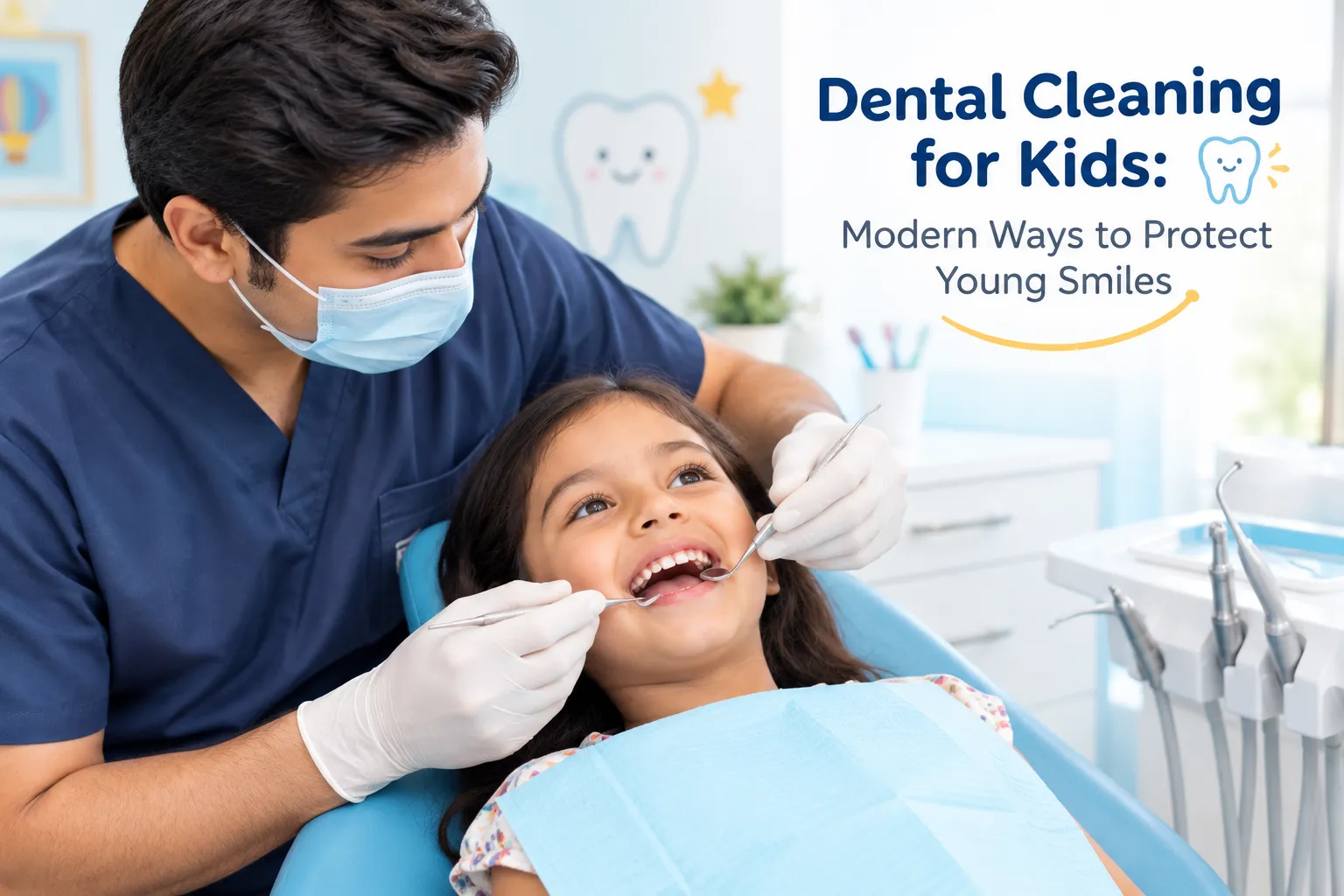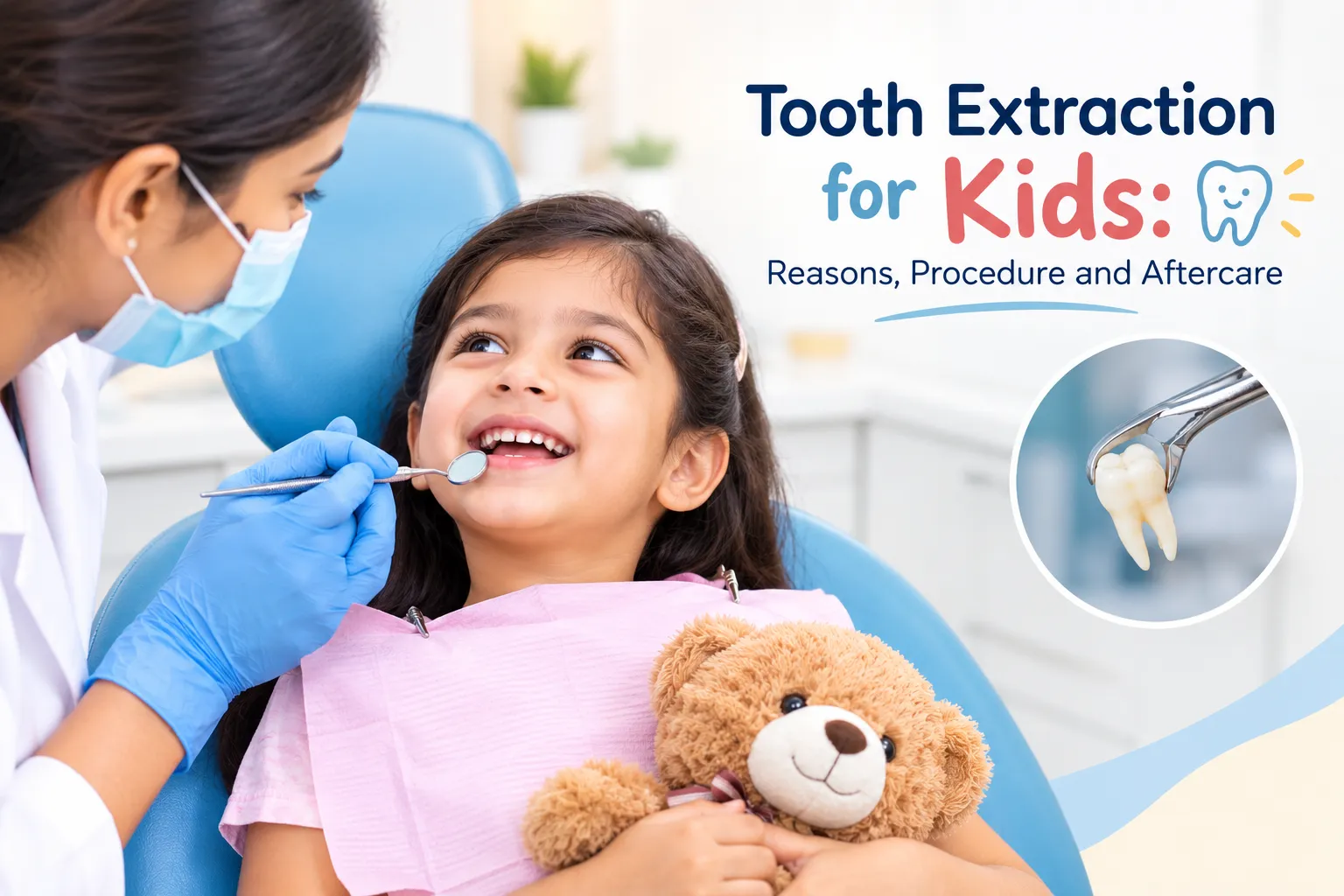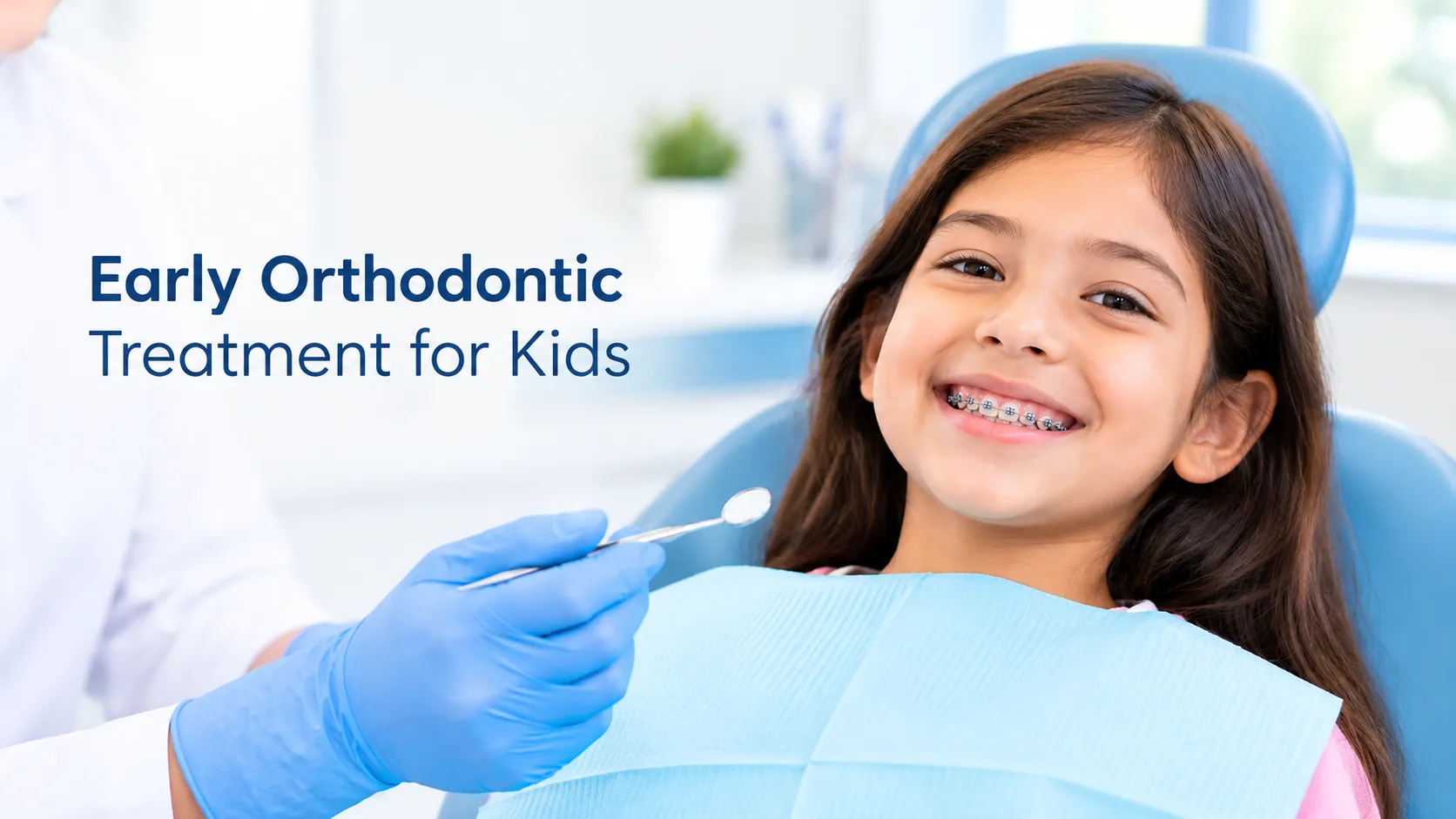

A child’s teeth do not simply become straight or crooked overnight. The position of the teeth, growth of the jaws, tongue resting position and swallowing patterns, eruption of permanent teeth and oral habits all influence how a child’s smile develops. This is why an early orthodontic assessment can be useful when parents notice crowding, an unusual bite or problems with tooth eruption.
Modern pediatric dentistry has also changed significantly. Early orthodontic care is no longer limited to traditional braces. Depending on a child’s age and dental development, dentists may consider growth-guidance appliances, expanders, space maintainers, clear aligner therapy in selected cases and other interceptive approaches including habit breaking appliances.
At Vanilla Smiles Dental Clinic in Pune, Dr. Abhishek Soni, BDS, MDS, FIAPD, Pediatric & Preventive Dentist, focuses on understanding the individual dental development of children before recommending treatment.
What Is Early Orthodontic Treatment?
Early orthodontic treatment, also known as interceptive orthodontics, involves identifying and managing developing dental or jaw problems while a child is still growing.
The objective is not to start braces as early as possible. Instead, the dentist evaluates the child’s teeth, jaw growth, bite and eruption pattern to decide whether treatment is required now, later or not at all.
Some children may need active treatment, while others may only need regular monitoring.
Newer Treatment Options in Early Orthodontics
Modern treatment planning allows dentists to choose different approaches depending on the child’s specific condition.
Clear Aligners for Selected Children
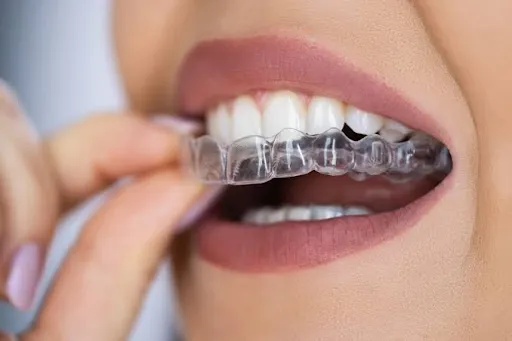
Clear aligners have become an alternative to conventional braces for certain orthodontic cases. They are removable, transparent trays designed to gradually guide teeth towards planned positions.
However, aligners are not suitable for every young child. A child needs to be able to wear and care for the aligners properly. The dentist also needs to determine whether the developing teeth and bite are appropriate for this type of treatment.
For suitable patients, aligners can offer an aesthetic option with fewer visible components than traditional braces.
Palatal Expanders
When the upper jaw is too narrow, a palatal expander may be recommended in growing children.
The appliance gradually widens the upper dental arch to improve available space and address certain types of crossbite or arch-width problems. Since children’s jaw structures are still developing, expansion may be considered at an age when growth can assist the treatment.
The exact appliance and activation schedule depend on the child’s dental condition.
Myofunctional Appliances
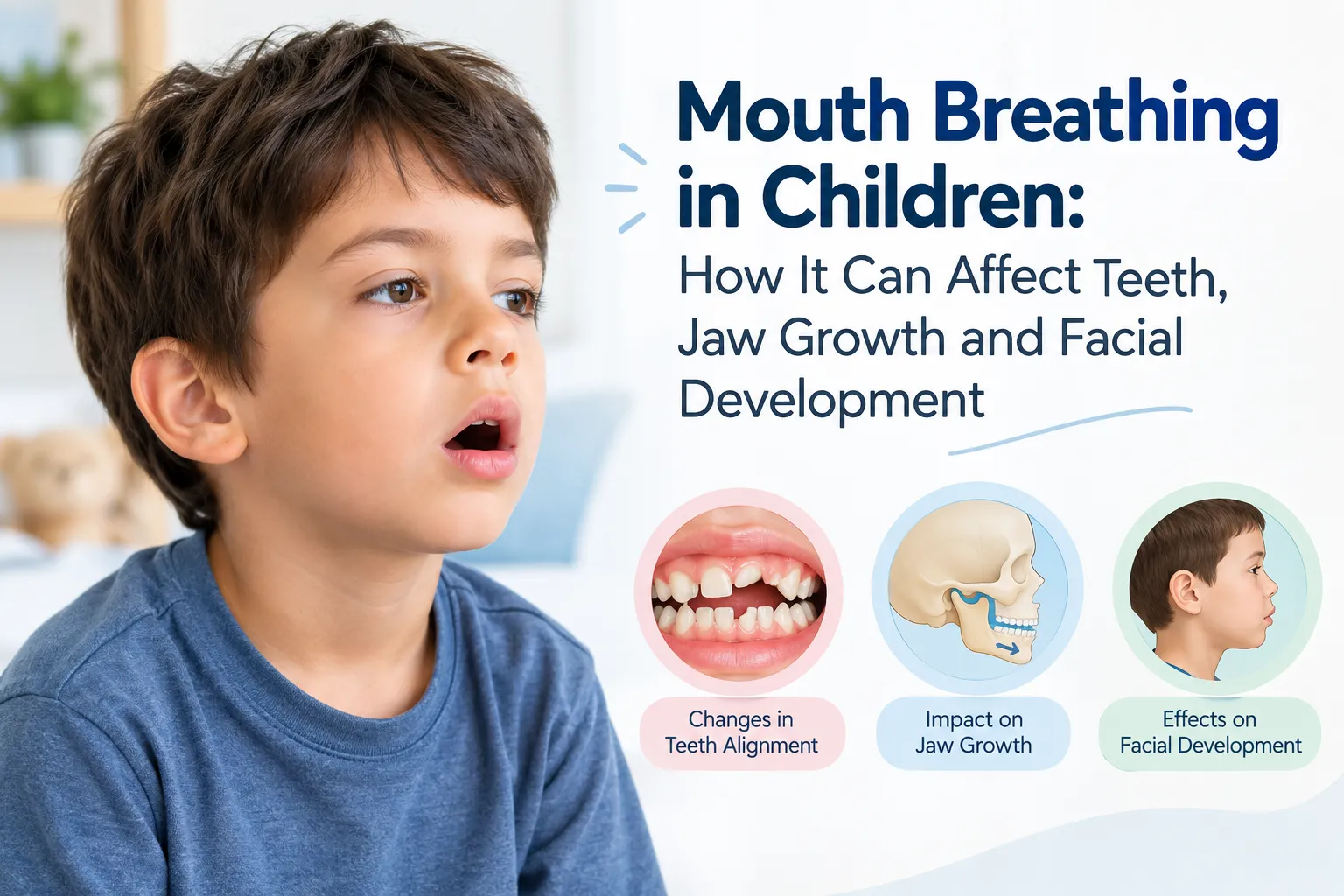
Some children develop orthodontic concerns alongside oral habits or muscle-function issues. Myofunctional appliances may be used in selected cases to help guide oral function and dental development.
These appliances can be considered when factors such as tongue position, mouth breathing patterns or certain bite relationships are contributing to the developing problem.
They are not a universal treatment, so a professional assessment is important before using them.
Space Maintainers
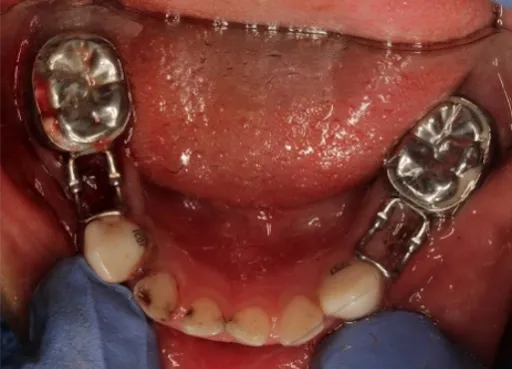
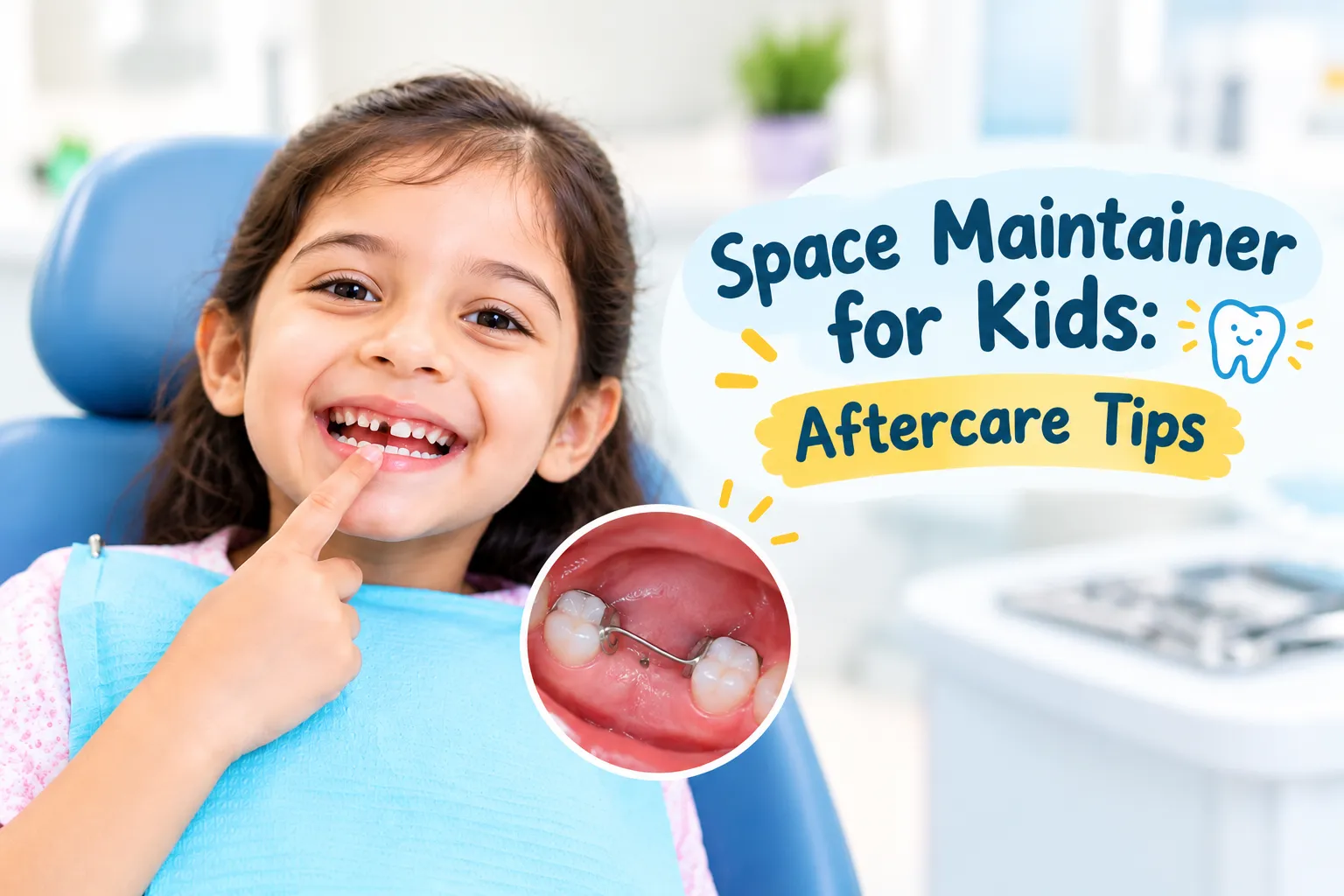
Premature loss of a baby tooth can sometimes allow neighbouring teeth to drift into the empty space. This may reduce the room available for the developing permanent tooth.
A space maintainer can be recommended in appropriate cases to preserve that space until the permanent tooth is ready to erupt.
Space maintainers are particularly relevant to preventive orthodontic care because they focus on maintaining normal dental development rather than correcting a problem after it becomes advanced.
Habit-Breaking Appliances
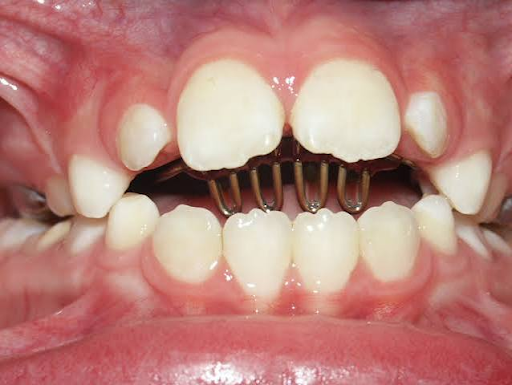
Thumb sucking, prolonged pacifier use and certain tongue habits can influence the developing bite when they continue for an extended period.
If a child is unable to stop a persistent habit through behavioural guidance alone, a dentist may consider a habit-breaking appliance in selected situations.
The timing is important. Early assessment helps determine whether the habit is affecting the teeth and whether intervention is actually necessary.
Digital Technology in Modern Orthodontic Planning
Technology has also improved the way orthodontic treatment is planned.
Depending on the case, dentists may use digital photographs, dental scans, X-rays and computer-assisted treatment planning to evaluate tooth position and developing structures.
Digital records can help the dental team compare changes over time and monitor tooth eruption more systematically.
However, technology is a diagnostic and planning aid. The final treatment decision should always be based on a professional clinical examination and the child’s individual needs.
Can Early Treatment Prevent Braces Later?
This is one of the most common questions parents ask.
Early orthodontic treatment does not guarantee that a child will never need braces in the future. In some cases, interceptive treatment can improve a developing problem or make later orthodontic treatment simpler. In other situations, monitoring may be the best approach.
For example, maintaining space after premature baby-tooth loss may help permanent teeth erupt into a more favourable position. Similarly, correcting certain developing crossbites while a child is growing may prevent the problem from becoming more difficult to manage.
The benefit depends entirely on the child’s specific dental development.
Signs Your Child May Need an Orthodontic Evaluation
Parents should consider discussing an orthodontic assessment with a pediatric dentist in Pune if they notice:
- Crowded or overlapping teeth
- Crossbite or underbite
- Significant overbite
- Difficulty biting or chewing
- Teeth erupting in an unusual position
- Early or premature loss of baby teeth
- Large spaces between teeth
- Persistent thumb sucking
- Mouth breathing or unusual oral habits
- The jaw shifting while the child bites
These signs do not automatically mean treatment is required. They simply indicate that professional evaluation may be useful.
Why Early Evaluation Matters
The advantage of early orthodontic evaluation is timing. A growing child’s teeth and jaws are constantly changing, so some problems can be monitored before deciding on treatment.
The American Association of Orthodontists recommends that children have an orthodontic check-up by age 7, while children with specific dental concerns may need evaluation earlier.
A dentist in Pune can assess the child’s oral health and, when necessary, recommend consultation with an orthodontic specialist.
Early Orthodontic Care at Vanilla Smiles Dental Clinic
At Vanilla Smiles Dental Clinic, Pune, pediatric dental care focuses on prevention, early diagnosis and age-appropriate treatment. Dr. Abhishek Soni, BDS, MDS, FIAPD, Pediatric & Preventive Dentist, evaluates children’s developing teeth and provides guidance based on individual dental needs.
Depending on the child’s condition, treatment planning may involve monitoring, space management, preventive orthodontic appliances, habit correction or referral for comprehensive orthodontic treatment.
For parents searching for a dental clinic in Pune, choosing a child-focused dental team can make it easier to monitor changes in the teeth and address concerns at an appropriate stage.
Final Thoughts
Early orthodontic treatment is not simply about making children’s teeth look straight. It is about understanding how teeth, jaws and oral habits are developing and deciding whether early intervention can provide a meaningful benefit.
With modern options such as clear aligners for selected cases, palatal expansion, myofunctional appliances, space maintainers and digital treatment planning, pediatric orthodontic care can be more individualised than ever.
If you notice crowding, unusual tooth eruption, bite problems or persistent oral habits, Mouth breathing or unusual oral habits, or jaw shifting while the child bites, an early consultation with a qualified pediatric dentist in Pune can help you understand what is happening and whether your child needs treatment, monitoring or simply time to grow.
Vanilla Smiles Dental Clinic
Dr. Abhishek Soni
BDS, MDS, FIAPD – Pediatric & Preventive Dentist
Find clinic here: Get direction
Call Now: +917028029383 / +919860633281
Address: Soni Capital, 2nd Floor, Near Shreyas Hotel, 1237, Apte Road, Shivaji Nagar, Pune, Maharashtra 411004 India
Disclaimer: AI-generated content, reviewed and edited by a dentist.