Children’s teeth can sometimes appear chalky, yellow, white, or brown even when they brush regularly and maintain good oral hygiene. One possible reason is Molar Incisor Hypomineralization (MIH), a developmental condition that affects the enamel of permanent first molars and often the incisors.
MIH can make children’s teeth more sensitive, fragile, and susceptible to tooth decay. Early diagnosis and appropriate preventive care can help protect affected teeth and improve a child’s overall oral health.
If you notice unusual white, yellow, or brown patches on your child’s permanent teeth, don’t wait for sensitivity or tooth pain to develop. Consult a pediatric dentist early.
At Vanilla Smiles Dental Clinic, Dr. Abhishek Soni, BDS, MDS, FIAPD – Pediatric & Preventive Dentist, provides specialised dental care for children, including preventive and restorative dental treatment.
What Is Molar Incisor Hypomineralization (MIH)?

Molar Incisor Hypomineralization is a developmental enamel defect that primarily affects the permanent first molars and incisors.
In children with MIH, the enamel may not develop its normal strength and mineral content. As a result, affected teeth can be weaker than healthy enamel and may be more vulnerable to sensitivity, chipping, and cavities.
The condition can range from mild changes in enamel colour to significant enamel breakdown.
What Causes MIH in Children?
The exact cause of MIH is not always known. Tooth enamel develops during early childhood, and several factors may potentially influence enamel formation.
Some factors associated with MIH include:
Early childhood illnesses
Certain illnesses or health problems during the period when permanent teeth are developing may be associated with enamel defects.
High fever or infections
Episodes of high fever and some infections during early childhood have been investigated as possible contributing factors.
Nutritional factors
Adequate nutrition is important for normal growth and development. Nutritional deficiencies during important developmental periods may potentially influence tooth development.
Prenatal and perinatal factors
Some prenatal or birth-related factors have been studied in relation to developmental enamel defects.
It is important to understand that MIH is not simply caused by poor brushing or eating too much sugar. A child can develop MIH even with good oral hygiene.
Signs and Symptoms of MIH
MIH can look different from one child to another. Parents may notice changes when permanent teeth start appearing.
Common signs include:
- White, cream, yellow, or brown patches on teeth
- Increased tooth sensitivity
- Pain when consuming cold or hot foods
- Discomfort while brushing
- Enamel chipping or breakdown
- Increased risk of cavities
- Difficulty eating certain foods
- Sensitivity during dental treatment
The affected teeth may also appear visibly different from the surrounding healthy teeth.
Early dental evaluation can make a big difference—protect your child’s developing permanent teeth before small enamel defects become bigger problems.
How Is MIH Diagnosed?
A Pediatric Dentist in Pune can diagnose MIH through a detailed dental examination and assessment of the child’s dental history.
The dentist may look for:
Enamel colour and appearance
The location, size, and colour of enamel changes can provide important clues.
Tooth sensitivity
The dentist may ask whether the child experiences discomfort while eating, drinking, brushing, or visiting the dentist.
Enamel breakdown
In moderate or severe cases, weakened enamel may chip or break away.
Dental X-rays
When necessary, dental X-rays can help assess the affected teeth and identify underlying dental problems.
Modern Treatment Options for MIH
Treatment for MIH depends on the severity of enamel defects, the child’s age, symptoms, tooth development, and overall oral health.
There is no single treatment that works for every child.
Fluoride and remineralisation
For mild MIH, preventive treatment may include fluoride-based products and professional preventive care to strengthen vulnerable enamel and reduce the risk of decay.
Desensitising treatment
Children experiencing sensitivity may benefit from professionally recommended desensitising products and improved preventive care.
Dental sealants
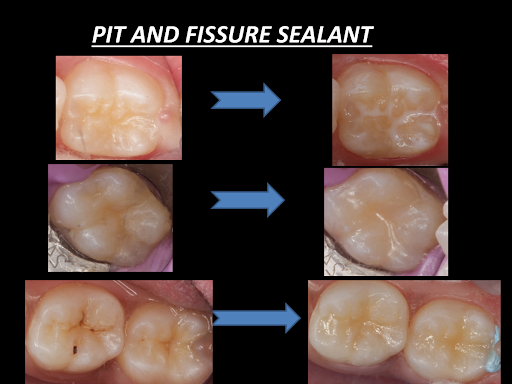
When appropriate, sealants can help protect grooves and pits of molars that are vulnerable to plaque accumulation and cavities.
Composite restorations
If enamel has broken down or a cavity has developed, tooth-coloured composite restorations may be considered to restore the affected area.
Dental crowns

For severely affected molars with extensive enamel breakdown, a crown may sometimes be recommended to protect the tooth and restore function.
Extraction and orthodontic planning
In selected severe cases, extraction of a badly affected permanent molar may be considered. Such decisions require careful assessment of the child’s dental development and may involve coordination with an orthodontist.
Why Early Treatment of MIH Matters
Untreated MIH can sometimes lead to repeated sensitivity, enamel breakdown, dental decay, and difficulty maintaining affected teeth.
Children with sensitive teeth may also avoid brushing certain areas, which can increase plaque accumulation and the risk of cavities.
Early intervention allows a children’s dentist in Pune to focus on protecting the affected teeth and preventing complications.
Healthy permanent teeth start with early care. If your child has sensitive or unusually coloured molars or incisors, schedule a pediatric dental consultation today.
How Can Parents Help Children With MIH?
Parents can play an important role in maintaining the oral health of children with MIH.
Maintain good oral hygiene
Encourage your child to brush twice a day with fluoride toothpaste as recommended by the dentist.
Reduce frequent sugary snacks
Frequent exposure to sugary foods and drinks can increase the risk of cavities, particularly when enamel is already vulnerable.
Pay attention to sensitivity
If your child complains of pain while eating ice cream, drinking cold water, or brushing, inform the dentist.
Schedule regular dental check-ups
Children with MIH may benefit from regular monitoring so that early enamel breakdown or cavities can be identified promptly.
When Should You Visit a Pediatric Dentist?
Parents should consider visiting a Pediatric Dentist in Pune if they notice:
- Unusual white, yellow, or brown patches on permanent teeth
- Tooth sensitivity
- Enamel chipping
- Repeated cavities
- Pain while eating or brushing
- Difficulty chewing
- A permanent molar that appears weak or damaged
Early evaluation can help determine whether the changes are related to MIH or another enamel condition.
Expert Pediatric Dental Care in Pune
Choosing the right dental professional is important when treating developmental enamel conditions in children. A specialised pediatric dentist understands the unique needs of growing children and can create a treatment plan based on their dental development.
At Vanilla Smiles Dental Clinic, Dr. Abhishek Soni (BDS, MDS, FIAPD – Pediatric & Preventive Dentist) provides child-focused preventive and restorative dental care.
If you are searching for a Pediatric Dentist in Pune, dentist in Pune, children’s dentist in Pune, or dental clinic in Pune, professional evaluation can help identify enamel problems early and protect your child’s permanent teeth.
Don’t let enamel problems affect your child’s smile—early diagnosis today can help protect their teeth for years to come.
Book a Pediatric Dental Consultation
If you suspect Molar Incisor Hypomineralization (MIH) in your child, consult a pediatric dental professional for an appropriate evaluation and personalised treatment plan.
Find clinic here: Get direction
Call Now: +917028029383 / +919860633281
Address: Soni Capital, 2nd Floor, Near Shreyas Hotel, 1237, Apte Road, Shivaji Nagar, Pune, Maharashtra 411004 India