
A child’s smile and bite continue to develop as they grow. While some orthodontic/teeth alignment problems become noticeable only during the teenage years, certain signs can appear much earlier. Identifying these concerns at the right time can help parents seek professional guidance before minor alignment or bite issues become more complicated.
At Vanilla Smiles Dental Clinic, Pune, Dr. Abhishek Soni, ( BDS, MDS, FIAPD – Pediatric & Preventive Dentist ), provides child-focused dental care and guidance for developing smiles. If you notice changes in your child’s teeth, jaw growth, or oral habits, an early dental evaluation can help determine whether orthodontic care may be beneficial.
What Is Early Orthodontic Care?
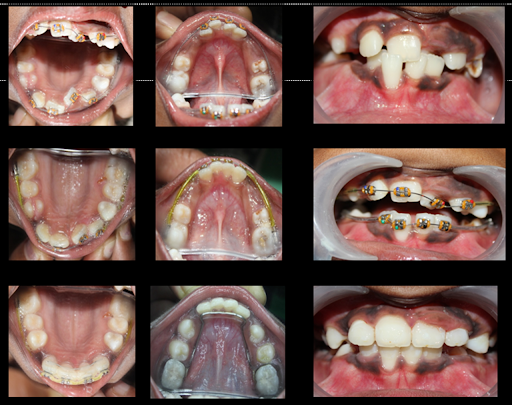
Early orthodontic care focuses on identifying developing problems with tooth alignment, jaw growth, bite, and oral habits in children. It does not always mean that a child will immediately need braces.
An early assessment allows a pediatric dentist or orthodontic professional to monitor dental development and identify potential concerns. In some cases, timely intervention can guide healthy oral development and make future orthodontic treatment more predictable.
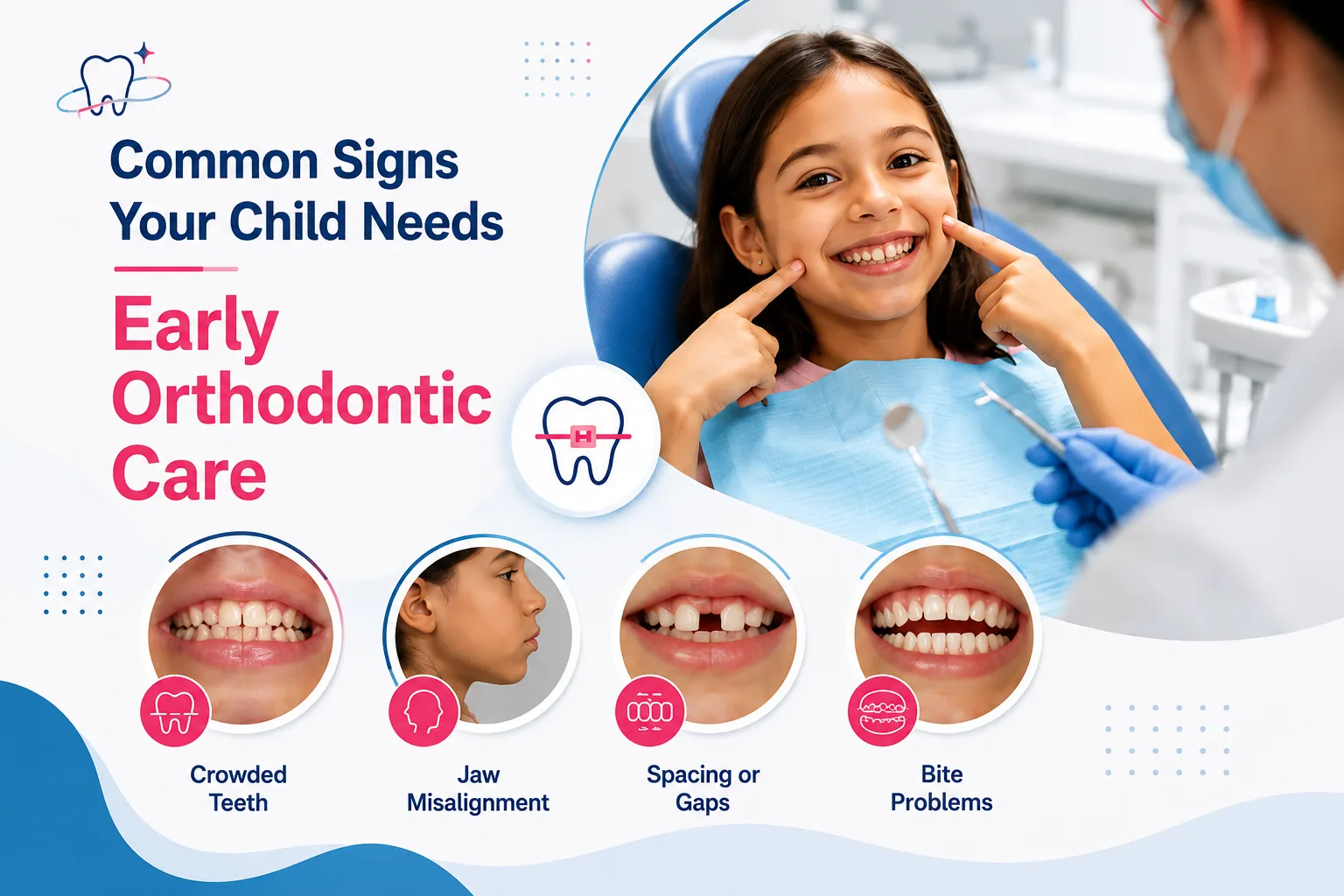
Common Signs Your Child May Need Early Orthodontic Care
1. Crowded or Overlapping Teeth
One of the most common signs is crowded teeth. If your child’s permanent teeth appear to have insufficient space or overlap one another, it may indicate an underlying space or jaw-development concern.
Early evaluation can help determine whether the teeth are developing normally or whether further orthodontic assessment is recommended.
2. Teeth That Stick Out
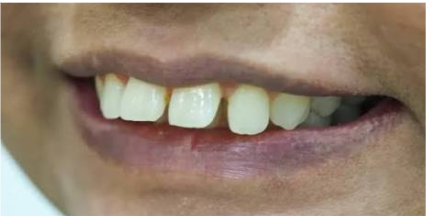
If your child’s upper front teeth noticeably protrude forward, it may be a sign of an developing bite problem. Protruding teeth can sometimes be associated with an improper bite and may be more vulnerable to accidental injury.
A professional evaluation can help assess the relationship between the upper and lower teeth and the development of the jaws.
3. Difficulty Biting or Chewing
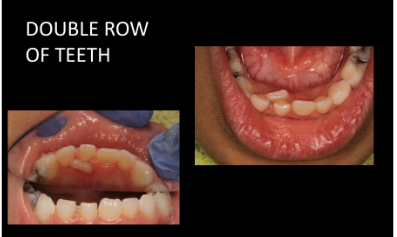
Children should generally be able to bite and chew food comfortably. Difficulty chewing, biting food unevenly, or avoiding certain foods because of discomfort may indicate a dental or bite-related issue.
If these problems persist, parents should consider discussing them with a dental professional.
4. Early, Late, or Irregular Loss of Baby Teeth
Baby teeth naturally fall out as permanent teeth develop. However, losing baby teeth significantly earlier or later than expected can sometimes affect the eruption pattern of permanent teeth.
An examination can help monitor the eruption of permanent teeth and identify whether additional guidance is needed.
5. Difficulty Closing the Mouth
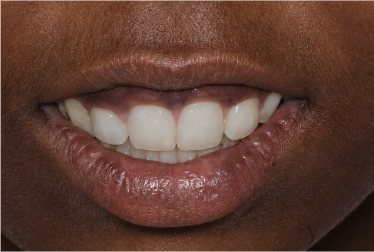
If your child frequently keeps their mouth open or has difficulty bringing the lips together comfortably, it is worth discussing the observation with a pediatric dentist.
Several factors can contribute to this habit, so professional assessment is important before assuming that orthodontic treatment is required.
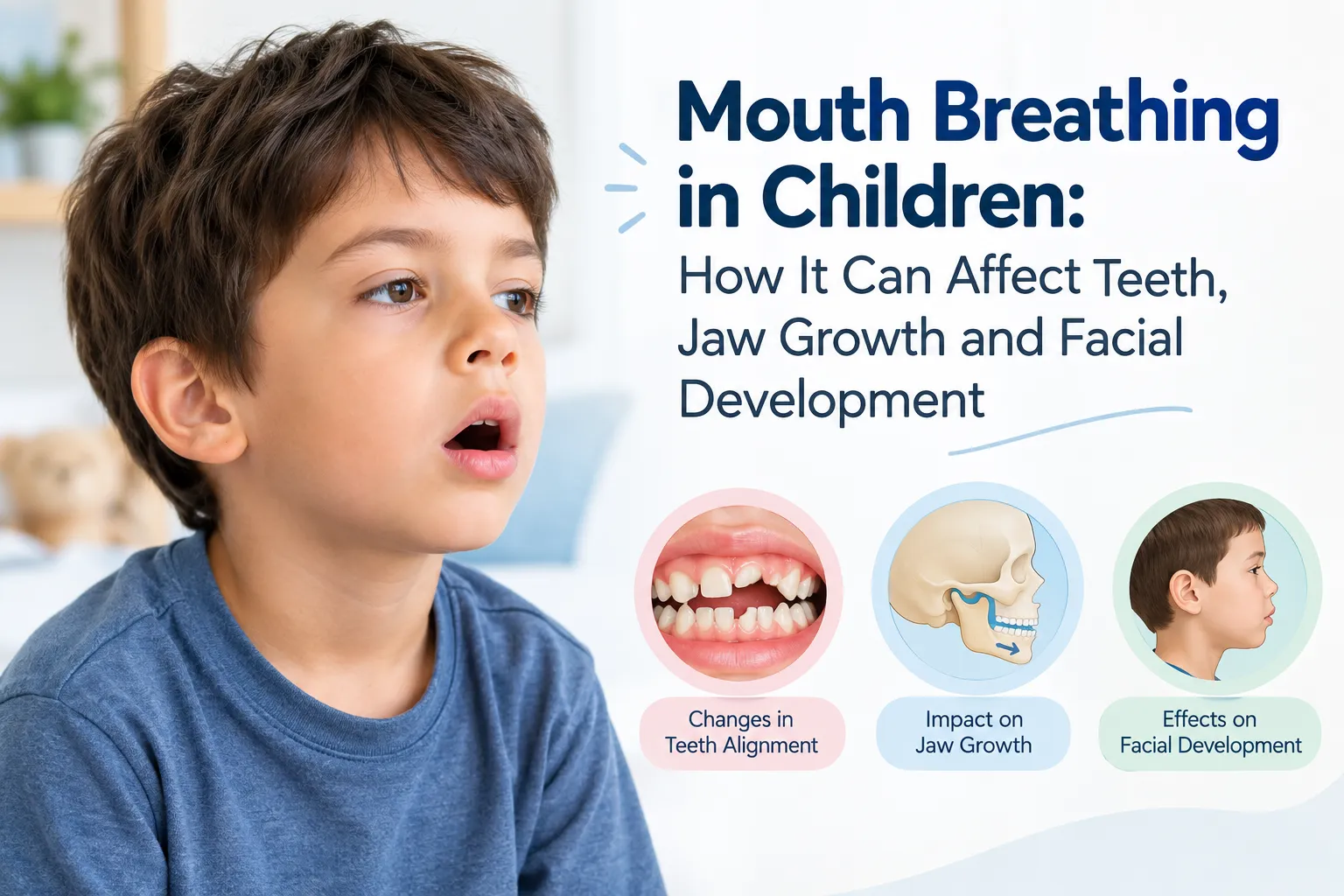
6. Mouth Breathing
Persistent mouth breathing in children can be associated with several factors, including nasal obstruction and oral habits. Long-term mouth breathing may also influence the way a child’s mouth and facial structures develop.
Parents who notice regular mouth breathing, particularly during sleep, should discuss it with their child’s healthcare or dental professional.
7. Thumb Sucking or Other Oral Habits
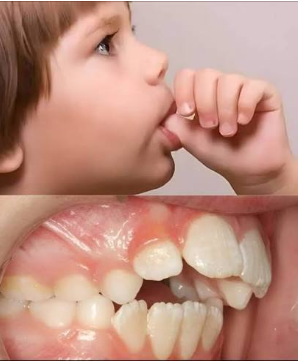
Thumb sucking and prolonged pacifier use can affect developing teeth and jaws, particularly when the habit continues as permanent teeth begin to develop.
Depending on the child’s age and the duration of the habit, professional guidance may help prevent or reduce its impact on dental development.
8. Difficulty Speaking Certain Sounds
Some children may experience speech difficulties for reasons unrelated to their teeth. However, certain dental or oral-development concerns can sometimes contribute to difficulty producing particular sounds.
If speech concerns occur alongside noticeable dental or jaw abnormalities, a dental evaluation may be helpful.
9. Jaw Shifting, Clicking, or Uneven Bites
Watch whether your child’s lower jaw appears to shift to one side when opening or closing the mouth. An uneven bite or noticeable jaw movement may warrant professional evaluation.
Clicking or discomfort around the jaw should also be discussed with a dental professional, particularly if symptoms persist.
10. Teeth That Do Not Meet Properly
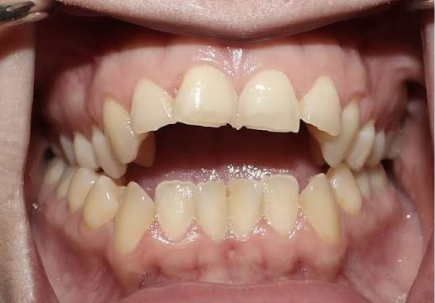
An open bite, crossbite, or deep bite can affect how the upper and lower teeth come together. These bite problems may sometimes become more difficult to manage if they are left unmonitored during growth.
Early assessment can help determine the severity of the issue and whether observation or treatment is appropriate.
Why Early Orthodontic Evaluation Matters
Early orthodontic evaluation is primarily about timing and monitoring. Not every child with crooked teeth needs immediate braces. In many cases, the best approach may simply be to monitor dental and jaw development.
When an orthodontic concern is identified early, the dental team can assess growth patterns, tooth eruption, available space, and bite development. If treatment is appropriate, the timing can be planned according to the child’s individual needs.
Early treatment, when indicated, may help guide jaw growth and create or maintain adequate space for developing permanent teeth. This can sometimes reduce the severity of crowding and may help avoid the need for removal of otherwise healthy permanent teeth later in treatment.
Early guidance may also help address habits that could affect developing teeth and jaws.
When Should Parents Take Their Child for an Orthodontic Evaluation?
Parents do not need to wait until all permanent teeth have erupted to discuss orthodontic concerns. The American Association of Orthodontists recommends that children have their first orthodontic check-up by age 7.
However, if you notice crowded teeth, protruding teeth, an abnormal bite, early or delayed tooth loss, persistent mouth breathing, or other concerns, it is reasonable to seek professional advice earlier.
A dental professional can determine whether your child needs orthodontic treatment now, later, or simply regular monitoring.
Treatment options:
Once an orthodontic concern is identified early, the next step is choosing the right treatment option for your child. At our clinic, Invisalign clear aligners are available for children and teenagers who are suitable candidates.”
Why Consider Invisalign for Your Child?
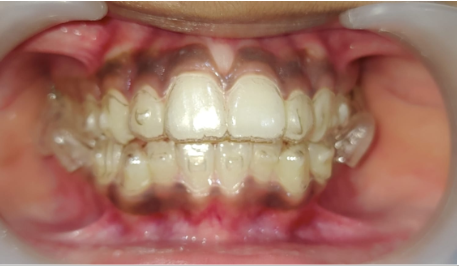
For children and teenagers who are suitable candidates, Invisalign clear aligners can make orthodontic treatment more comfortable and convenient:
😁 Nearly invisible – Clear aligners are discreet, so your child can smile confidently during treatment.
🦷 Comfortable to wear – Smooth aligners are designed without the brackets and wires associated with traditional braces.
🍎 No major food restrictions – Aligners can be removed while eating, allowing your child to enjoy their favourite foods.
🪥 Easy to maintain oral hygiene – Remove the aligners to brush and floss normally, making it easier to maintain healthy teeth and gums.
🏃 Fits into an active lifestyle – Removable aligners can be convenient for sports, school activities and special occasions.
💻 Digitally planned treatment – Each Invisalign treatment plan is customised using digital scans and advanced treatment planning.
👩⚕️ Regular monitoring – Your child’s progress is monitored throughout treatment so that adjustments can be made when needed.
🌟 A confident orthodontic journey – The discreet, comfortable design can make orthodontic treatment a more positive experience for children and teenagers.
Early orthodontic evaluation helps determine whether Invisalign is suitable for your child and, most importantly, the right time to begin treatment.
Child-Friendly Dental Care in Pune
Choosing a dental clinic experienced in treating children can make dental visits more comfortable for both children and parents. At Vanilla Smiles Dental Clinic, Pune, Dr. Abhishek Soni, BDS, MDS, FIAPD – Pediatric & Preventive Dentist, focuses on preventive and pediatric dental care while monitoring the developing oral health of children.
If your child has crowded teeth, bite problems, prolonged oral habits, or concerns related to tooth eruption, an evaluation can help you understand the next steps.
Conclusion
Recognizing the signs your child needs early orthodontic care can help parents make informed decisions about their child’s developing smile. Crowding, protruding teeth, unusual tooth eruption, mouth breathing, prolonged thumb sucking, jaw shifting, and bite problems are some signs that may deserve professional attention.
Early evaluation does not necessarily mean immediate braces. Instead, it provides an opportunity to monitor growth, identify potential concerns, and determine the most appropriate timing for any required treatment.
For professional pediatric dental care in Pune, parents can consult Dr. Abhishek Soni, BDS, MDS, FIAPD – Pediatric & Preventive Dentist, at Vanilla Smiles Dental Clinic for an individualized assessment of their child’s oral development.
Find clinic here: Get direction
Call Now: +917028029383 / +919860633281
Address: Soni Capital, 2nd Floor, Near Shreyas Hotel, 1237, Apte Road, Shivaji Nagar, Pune, Maharashtra 411004 India