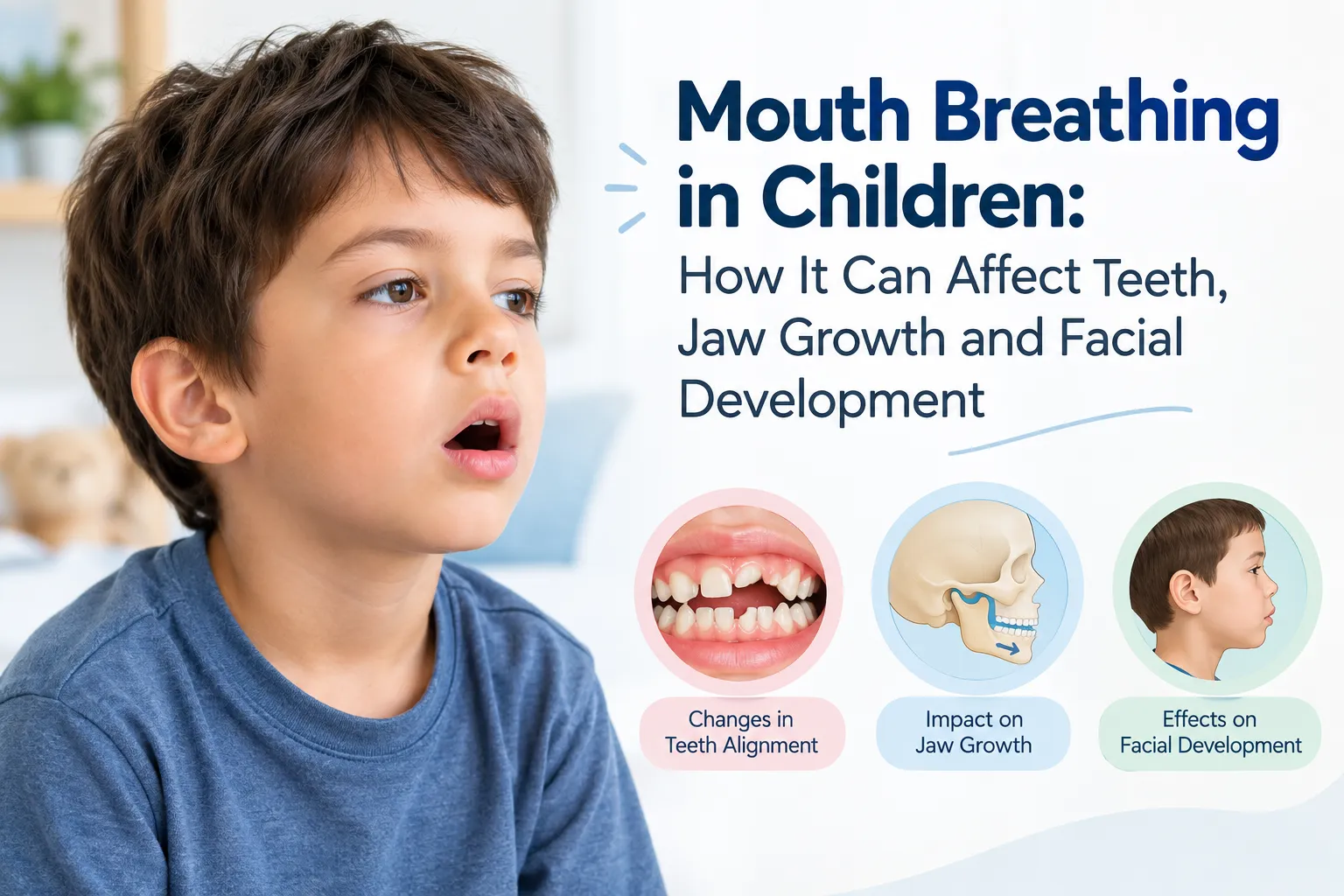

Mouth breathing in children can sometimes be more than just a habit. While occasional mouth breathing is common during a cold or temporary nasal blockage, persistent mouth breathing/lip apart posture, especially during sleep, may be associated with oral health, dental alignment, jaw growth, and facial development concerns.
Children’s teeth and jaws continue to develop throughout childhood. Therefore, identifying unusual breathing patterns early can help parents understand whether their child needs dental, medical, or airway evaluation.
If your child frequently sleeps with their mouth open, snores, or complains of a dry mouth, consulting a Pediatric Dentist in Pune can be a useful first step.
At Vanilla Smiles Dental Clinic, Dr. Abhishek Soni, BDS, MDS, FIAPD – Pediatric & Preventive Dentist, provides specialised pediatric and preventive dental care for children.
What Is Mouth Breathing in Children?
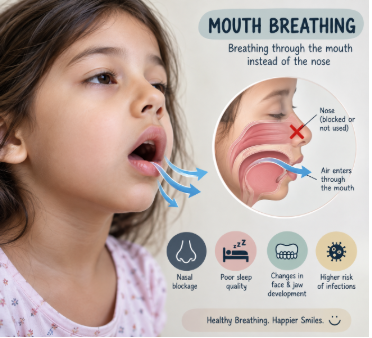
Mouth breathing occurs when a child regularly breathes through the mouth instead of primarily breathing through the nose. Temporary mouth breathing during exercise, a cold, or nasal congestion is generally not unusual.
However, when a child consistently breathes through the mouth while awake or asleep, it may indicate an underlying issue affecting normal nasal breathing.
Persistent mouth breathing can be associated with nasal congestion, allergies, enlarged adenoids or tonsils, and other airway-related conditions.
Common Causes of Mouth Breathing
Nasal congestion and allergies
Frequent colds, allergies, sinus congestion, or a blocked nose can make nasal breathing difficult. A child may naturally switch to mouth breathing to maintain comfortable airflow.
Enlarged adenoids or tonsils
Enlarged adenoids or tonsils may restrict airflow, particularly during sleep. Children with this issue may also snore or sleep with their mouth open.
Airway-related concerns
Some children may have other conditions affecting their airway or nasal breathing. Identifying the underlying cause is important because treatment depends on what is causing the mouth breathing.
Signs Parents Should Watch For
Parents may notice mouth breathing more easily during nighttime.
Common signs include:
- Sleeping with the mouth open
- Frequent snoring
- Dry lips or dry mouth
- Persistent nasal congestion
- Noisy breathing during sleep
- Difficulty keeping the lips closed comfortably
- Changes in tooth alignment
- Increased risk of dental problems
- Tiredness during the day in some children/ daytime sleepiness
- Nightmares
- Bed wetting
If your child regularly sleeps with an open mouth or snores, early professional evaluation can help identify possible dental or airway concerns.
How Can Mouth Breathing Affect Teeth?
Persistent mouth breathing can increase dryness inside the mouth because saliva evaporates more quickly when the mouth remains open.
Saliva helps protect teeth and maintain a healthy oral environment. Reduced oral moisture may contribute to an increased risk of dental problems in some children.
Mouth breathing may also be associated with changes in the resting position of the tongue, lips, and cheeks. These structures play an important role in the development and positioning of children’s teeth.
For this reason, children who regularly mouth breathe should have their oral health monitored by a qualified Pediatric Dentist in Pune.
Mouth Breathing and Jaw Growth
The jaw develops significantly throughout childhood. Its growth is influenced by genetics, muscle function, tongue posture, breathing patterns, and several other factors.
Persistent mouth breathing may be associated with altered tongue and facial muscle posture. In some children, this may contribute to changes in dental arch development and bite.
However, mouth breathing does not automatically cause abnormal jaw growth. Every child’s growth pattern is different, which is why an individual dental assessment is important.
Mouth Breathing and Facial Development
Long-term mouth breathing has been associated with certain facial growth patterns in some children. These may include:
Open-mouth posture
A child may frequently keep their lips apart instead of maintaining a relaxed closed-lip posture.
Altered tongue position
The tongue may rest lower in the mouth rather than maintaining its normal resting position against the palate.
Changes in dental arches
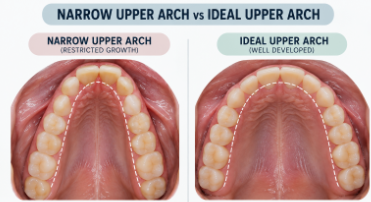
Some children may develop narrower upper dental arches or other changes in dental alignment.
Bite problems
Crowding, crossbite, open bite, or other orthodontic concerns may occur in some children. These conditions can have multiple causes and should be professionally evaluated.
Can Mouth Breathing Affect Sleep?
Mouth breathing is commonly noticed while children are sleeping. Some children may also snore or have disturbed sleep.
Regular snoring, noisy breathing, pauses in breathing, restless sleep, or significant daytime tiredness should be discussed with an appropriate healthcare professional.
A pediatric dentist can assess the child’s teeth and oral development and may recommend evaluation by an ENT specialist when an airway or nasal obstruction is suspected.
Healthy sleep is an important part of childhood development. Don’t ignore persistent snoring or mouth breathing.
How Is Mouth Breathing Evaluated?
A children’s dentist in Pune may review the child’s dental and medical history and examine their teeth, bite, dental arches, tongue posture, lips, and oral tissues.
The dentist may look for:
- Dental crowding
- Changes in dental arch shape
- Bite abnormalities
- Oral dryness
- Tooth decay
- Tongue or lip posture
- Other signs associated with prolonged mouth breathing
If necessary, the child may be referred to an ENT specialist, pediatrician, orthodontist, or another healthcare professional.
Treatment and Prevention
Treatment depends on the underlying cause. If allergies or nasal obstruction are contributing to mouth breathing, medical management may be recommended. Enlarged adenoids or tonsils may require assessment by an ENT specialist.
From a dental perspective, maintaining excellent oral hygiene is essential. Parents should encourage children to:
- Brush twice daily with fluoride toothpaste.
- Limit frequent sugary foods and drinks.
- Drink sufficient water.
- Attend regular dental check-ups.
- Follow recommendations provided by their dentist or healthcare professional.
Early monitoring can help identify dental crowding, bite problems, or other developmental concerns before they become more difficult to manage.
When Should You Visit a Pediatric Dentist?
Consider scheduling a dental evaluation if your child frequently:
- Breathes through the mouth
- Sleeps with an open mouth
- Snores
- Has persistent dry mouth
- Experiences dental sensitivity or frequent cavities
- Develops crowded or misaligned teeth
- Shows changes in their bite
A Pediatric Dentist in Pune can assess your child’s oral health and monitor dental development as they grow.
Expert Pediatric Dental Care in Pune
At Vanilla Smiles Dental Clinic, Dr. Abhishek Soni (BDS, MDS, FIAPD – Pediatric & Preventive Dentist) provides specialised dental care for children with a focus on prevention, healthy development, and comfortable dental experiences.
If you are searching for a Pediatric Dentist Pune, Dentist in Pune, Children’s Dentist in Pune, or Dental Clinic in Pune, professional evaluation can help you understand your child’s dental development and identify concerns that may require further attention.
Don’t wait for mouth breathing to affect your child’s growing smile. Early evaluation can help support healthy teeth, jaws, and oral development.
Book a Pediatric Dental Consultation
Vanilla Smiles Dental Clinic
Dr. Abhishek Soni
BDS, MDS, FIAPD – Pediatric & Preventive Dentist
Find clinic here: Get direction
Call Now: +917028029383 / +919860633281
Address: Soni Capital, 2nd Floor, Near Shreyas Hotel, 1237, Apte Road, Shivaji Nagar, Pune, Maharashtra 411004 India
Give your child’s smile the right start with expert pediatric dental care in Pune.